




On this page12 sections
Niseko is famous for powder skiing, yet the Hokkaido resort also rewards visitors with Mount Yotei views, outdoor hot springs, summer cycling and excellent regional produce. Reaching it from Malaysia requires more coordination than visiting a major Japanese city because the resort has no airport and its villages cover a wide area. This guide explains flights from Kuala Lumpur to Sapporo New Chitose Airport, onward transport, suitable places to stay, expected winter expenses and practical advice for Muslim travellers. It also covers seasonal activities, local travel and a realistic four-day itinerary. All quoted airfares apply to the Kuala Lumpur to Sapporo route.
Flights from Kuala Lumpur
To reach Niseko, fly to Sapporo New Chitose Airport (CTS) and complete the final part of the journey by road or rail. Depending on snowfall, connections and your destination village, the airport transfer usually requires about two and a half to four hours.
AirAsia X runs a seasonal nonstop route between KLIA and New Chitose as of September 2026. Flying time is approximately eight hours. Passengers should check the departure terminal shown on their ticket, since this can vary. When the direct route is unavailable, one-stop choices may include Cebu Pacific, China Airlines, Scoot and THAI, connecting through Manila, Taipei or Bangkok.
Amaboxly checked fares on 28 September 2026 and identified a RM1,046 one-way Cebu Pacific ticket with one connection for 10 January 2027. The median one-way price was RM1,437. Compare the complete cost because checked bags, meals, seats and winter sports equipment may not be included. Ski or snowboard carriage can make a low base fare considerably more expensive.
Reaching Niseko from New Chitose Airport
The principal Niseko resort bases sit about 110 kilometres from New Chitose Airport. Using ¥100 as approximately RM2.80 is adequate for planning, although the exchange rate will fluctuate. Leave extra time during winter because heavy snow can disrupt both roads and railway services.
- Resort bus: Seasonal coaches travel directly to Hirafu, Niseko Village and Annupuri. Trips commonly last two and a half to three and a half hours and cost around ¥5,000 to ¥6,500 (RM140 to RM182) each way. Reserve early and check whether your arrival precedes the last service.
- Train: JR services travel through Sapporo or Otaru toward Kutchan, normally requiring at least one change. Expect roughly three to four hours and ¥3,500 to ¥5,500 (RM98 to RM154), plus a bus or taxi from the station.
- Shared van: Door-to-door seats generally range from ¥8,000 to ¥15,000 (RM224 to RM420) per passenger.
- Private vehicle: Typical prices are ¥35,000 to ¥55,000 (RM980 to RM1,540), which may be reasonable when divided among a family or ski group.
Passengers arriving after the final transfer should spend the night beside the airport or in Sapporo.
Where to stay in Niseko
Niseko consists of several towns and mountain bases rather than a single walkable centre. Location deserves close attention because a cheaper property may leave you dependent on limited evening buses or costly taxis.
- Grand Hirafu: This is usually the easiest choice for newcomers and visitors without a car. It provides extensive dining, rentals, nightlife and convenient lift access, although peak-season rooms are expensive and the atmosphere is highly international.
- Niseko Village: Couples and families may prefer this quieter resort precinct for its self-contained facilities and ski-in, ski-out accommodation. Restaurant variety beyond the hotels is modest.
- Annupuri: This relaxed area combines mountain access with nearby hot springs and calmer evenings. It works well for families, but travelling to other bases after dinner can be awkward.
- Kutchan: The regional town contains supermarkets, pharmacies, affordable restaurants and the main railway station. Rooms may cost less, but the ski slopes require a bus, taxi or rental vehicle.
Inspect the property's exact map position before paying. The word Niseko in a listing does not guarantee proximity to a lift. Confirm shuttle arrangements, kitchen access and luggage storage as well.
Things to do in Niseko through the year
- Ski or snowboard: The connected areas of Niseko United provide runs for beginners, intermediates and experienced riders. Newcomers should consider lessons, especially when snowfall reduces visibility.
- Go night skiing: Floodlit pistes offer a memorable mountain experience. Temperatures fall quickly after sunset, so bring suitable layers and review that day's operating notice.
- Soak in an onsen: Natural hot-spring baths are ideal after outdoor activity. Read the bathing etiquette beforehand and ask whether a private bath is available if privacy or tattoos are an issue.
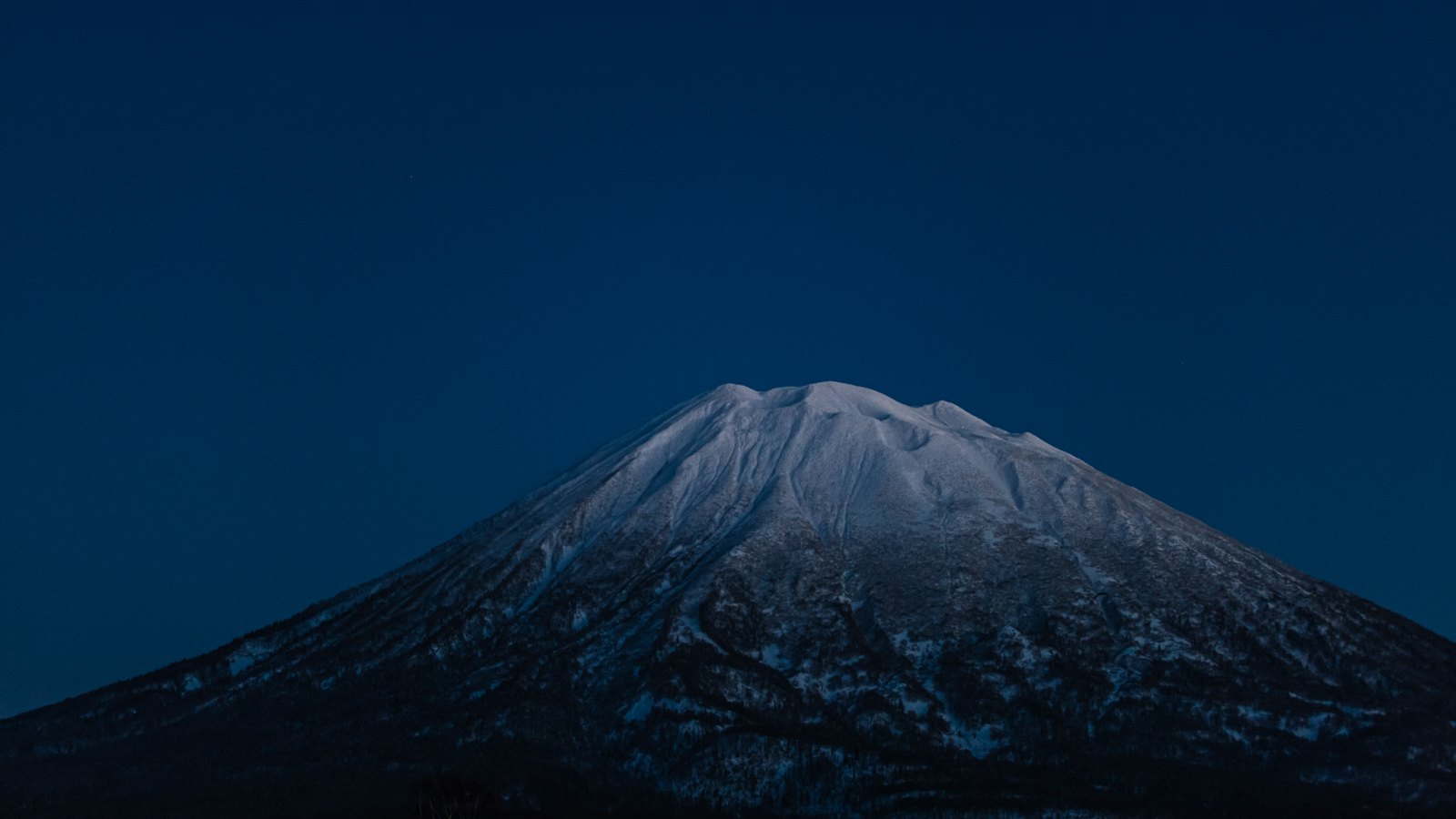
- Photograph Mount Yotei: Clear weather reveals the volcano's distinctive cone from fields, roads and viewpoints around the district.
- Join a snowshoe walk: Guided woodland outings give non-skiers a quieter way to experience the winter landscape.
- Try warm-season rafting: Spring meltwater creates faster conditions, while summer trips are often gentler and better suited to families.
- Explore by bicycle: Country roads around Mount Yotei combine farm views with demanding climbs during summer and early autumn.
- Visit Shinsen Marsh: Seasonal boardwalks cross a highland wetland known for autumn colour.
- Add Otaru or Sapporo: Otaru has canals and heritage warehouses, while Sapporo offers shopping, markets and museums.
Conditions can change without warning. Respect closures and use a qualified guide beyond managed resort terrain.
Food to try in Niseko
Hokkaido cuisine highlights dairy products, potatoes, corn, seafood and vegetables grown in a cool climate. Resort dining can be costly, particularly in Hirafu, while Kutchan has a broader selection of ordinary supermarkets and local restaurants.
Soup curry is a Hokkaido speciality made with a thin, spicy broth, vegetables and meat. Muslim diners should ask whether the kitchen uses pork stock, alcohol or shared equipment. Ramen is comforting in cold weather, but even a bowl without visible pork may contain pork-based broth. Sushi, crab, grilled fish and seafood rice bowls feature regional produce, although marinades and sauces sometimes include mirin.
Jingisukan consists of lamb grilled on a raised metal pan, while imomochi is a chewy potato cake. Their ingredients and shared cooking surfaces vary, so neither should be assumed halal. Hokkaido milk, ice cream, cheese tarts and custard sweets are popular options for visitors satisfied with the listed ingredients.
Travellers controlling costs can shop in Kutchan for bread, fruit, yoghurt, eggs, rice and clearly identified seafood. Japanese-only labels may be difficult to interpret, and vegetable dishes can contain animal stock. Camera translation helps when examining packaged products.
Halal meals and prayer planning
Muslim visitors can arrange a comfortable Niseko holiday, but certified halal restaurants are much less common than in Tokyo or Osaka. Descriptions such as vegetarian, pork-free or Muslim-friendly do not confirm halal preparation. Stocks, cooking alcohol, sauces, utensils and grills should all be checked with the business.
Self-catering provides the greatest control. Plain seafood, rice, vegetables and eggs are also practical, subject to preparation methods. Kutchan's larger supermarkets carry more products than small stores beside the ski lifts. During the busy winter months, contact restaurants in advance because fixed menus or crowded kitchens may limit substitutions. Halal Navi, HappyCow and Google Maps can help identify possibilities, but recent customer reports and certification visible at the restaurant provide stronger evidence than an old online entry.
New Chitose Airport offers a designated prayer room. Purpose-built prayer facilities within Niseko are scarce and their availability may vary by season. Ask your hotel for a clean private area, and carry a travel mat with a qibla application. Plan prayer and ablution before boarding a long airport coach.
Transport within Niseko
Walking is practical only when your room, preferred lift and dining choices are close together. Niseko's bases are widely separated, and apparently short routes can include steep, icy roads. Shoes with reliable grip are important throughout winter.
Public buses and resort shuttles connect Kutchan, Hirafu, Niseko Village and Annupuri. Their most frequent schedules generally operate during ski season. Certain services are complimentary for qualifying hotel guests or lift-pass users, while ordinary local fares often cost several hundred yen. Evening departures and off-season services are limited, so check the last return before leaving for dinner.
Kitaca, Suica and other compatible IC cards work on many city and airport rail routes. They are not accepted for every rural train or bus serving Niseko, making cash and paper tickets useful backups. Metered taxis are dependable but may be difficult to secure on busy winter nights. A short trip within the resort can cost about ¥2,000 to ¥4,000 (RM56 to RM112).
Grab should not be your primary plan because ride-hailing coverage is limited. Driving provides flexibility during greener months. In winter, it is appropriate only for motorists experienced with ice, deep snow and correctly equipped vehicles.
Four days in Niseko
- Day 1: Arrive at New Chitose Airport, obtain yen or an IC card for compatible services and board a reserved transfer. After checking in, collect rental equipment, learn the immediate area and have an early dinner.
- Day 2: Begin with a ski or snowboard lesson, then practise on suitable runs during the afternoon. Travellers who are not skiing can book snowshoeing or another supervised snow activity. End the day at an onsen.
- Day 3: Explore a different managed sector or join an instructor-led powder session matched to your ability. For a gentler alternative, shop and eat in Kutchan, then look for clear views of Mount Yotei. Attempt night skiing only when the weather and your energy allow it.
- Day 4: Fit in one short morning activity, return all hired gear and depart with a generous allowance for winter delays. If your flight leaves in the evening, spend spare time dining or shopping at the airport instead of making a distant detour.
Consider adding one or two nights for Sapporo or Otaru. Learners also benefit from an extra resort day because high winds occasionally interrupt lift operations.
Ski preparation and practical essentials
The central ski period extends from December through March, with January and February especially popular among powder seekers. Snow coverage is less certain near either end of the season, and individual lifts or runs may remain closed. Accommodation, airport transport, instruction and equipment should be secured early for Christmas, New Year, Lunar New Year and Malaysian school breaks.
A single ski day can require several hundred ringgit beyond ordinary holiday spending. Beginners need skis or a board, boots, a helmet, goggles, gloves and waterproof clothing. Renting locally avoids airline equipment charges but can be expensive at peak times. Bringing personal gloves and base layers from Malaysia is straightforward, while uncertain technical gear is better fitted by a rental shop.
Japan uses two-flat-pin Type A electrical sockets and 100-volt power. Malaysians need an adaptor and must confirm that each device supports the voltage. An eSIM is convenient for compatible phones, while tourist SIM cards and pocket Wi-Fi can be obtained at the airport. Cards are common at large businesses, but cash remains important for small restaurants, buses and some machines.
Purchase insurance that specifically includes skiing or snowboarding, equipment and evacuation. Normal policies may exclude winter sports, rescue expenses or activity outside marked runs.
Before you go
- Best time to go
- January and February provide Niseko's most celebrated powder conditions. These months are also cold, busy and expensive, and Lunar New Year can intensify demand. The broader ski period normally begins in December and continues into early spring, although coverage and lift availability are uncertain at the edges. July through September favour cycling, walking and cool-weather outdoor trips. Autumn colour may appear in late September and October, when certain summer attractions start closing before winter services open. May and June tend to be quieter, bringing green scenery and fewer tourists. Christmas, New Year and Malaysian school holidays raise room and transfer prices, so early reservations are advisable. Winter plans should remain flexible because snowfall and strong winds can delay buses, roads and mountain lifts.
- Visa for Malaysians
- Eligible Malaysian ePassport holders may enter Japan without a visa for short visits. As of September 2026, citizens carrying an ICAO-compliant biometric Malaysian passport can stay for as long as 90 days under temporary visitor status. This arrangement permits holidays, family visits and brief business activities, but it does not authorise paid employment. Anyone without a suitable electronic passport should arrange a visa before departure. The passport must remain valid throughout the trip. Japanese immigration generally records fingerprints and a facial photograph when travellers arrive. Visit Japan Web is optional and provides QR codes in place of paper immigration and customs documents. Japan had not introduced its proposed JESTA authorisation by the date of writing, and no JESTA payment was required. Before purchasing tickets, verify the current position through Japan's foreign affairs ministry or its embassy in Malaysia.
- Honest budget guide
- Plan on RM500 to RM1,000 per traveller for each day in Niseko before flights and substantial skiing expenses. Amaboxly's latest stated check found one-way Kuala Lumpur to Sapporo tickets beginning at RM1,046, while the median was RM1,437. During winter, a hostel bed or shared apartment may be around RM250 to RM500 a night. Private mid-range rooms commonly reach RM600 to RM1,200 or more. Food may require RM100 to RM220 daily, with local travel adding roughly RM30 to RM150 depending on taxi use. Lift access, instruction and equipment can increase each ski day's spending by RM300 to RM900. An indicative five-day holiday costs approximately RM5,000 to RM9,000 per person when return airfare, lodging, airport transport, food and modest skiing are included. Premium properties, private lessons and peak dates can raise the total considerably.
Frequently asked questions
Do Malaysians need a visa for Japan?
Malaysians using an ICAO-compliant biometric passport qualify for visa-free temporary visits of up to 90 days as of September 2026, provided they do not perform paid work. The passport must remain valid for the full trip. Visit Japan Web is optional, and the proposed JESTA programme was not operating at that time. Recheck official Japanese requirements before flying.
Is there a direct flight from Kuala Lumpur to Niseko?
There is no airport in Niseko. As of September 2026, AirAsia X offers a seasonal nonstop connection from KLIA to Sapporo New Chitose Airport, taking about eight hours. One-stop itineraries are normally required outside its operating period. After landing, budget another two and a half to four hours for a coach, rail connection or road transfer.
How much is a flight from KL to Niseko?
Amaboxly's 28 September 2026 search showed a one-way Cebu Pacific itinerary from Kuala Lumpur to Sapporo at RM1,046 for 10 January 2027, including one stop. The observed median was RM1,437 one way. Add the cost of the Niseko transfer and compare baggage, seat, meal and sports-equipment charges before selecting the cheapest displayed ticket.
Is Niseko Muslim-friendly?
A Muslim traveller can visit Niseko with advance preparation, although certified halal restaurants and formal prayer spaces are scarce. Confirm stocks, sauces, alcohol and shared cooking equipment directly with each restaurant. Self-catering offers more control. New Chitose Airport has a prayer room, while hotels in Niseko may be able to provide a private, clean place for prayer.
How many days are enough for Niseko?
Four days is a workable minimum, covering arrival, two complete activity days and departure. Five to seven days is more comfortable for ski lessons, weather disruption or excursions to Sapporo and Otaru. Since the airport journey consumes several hours in each direction, staying only two nights can feel hurried after a long or connecting flight from Kuala Lumpur.
What is the best month to visit Niseko?
January is renowned for regular powder snowfall, but prices and visitor numbers are high. February also offers strong skiing and can become especially busy during Lunar New Year. December and March may be less expensive, with greater uncertainty around snow coverage near the season boundaries. Travellers interested in hiking or cycling should consider July, August or September instead.
Can I use Grab in Niseko?
Grab is not dependable enough to form your transport plan in Niseko. Ride-hailing choices are limited, and conventional taxis can sell out during busy winter evenings. Choose accommodation close to a lift or shuttle, note the final bus departure and reserve important transfers. Driving is useful outside winter, but icy roads demand suitable equipment and genuine snow-driving experience.
How much money should I budget for five days in Niseko?
Allow approximately RM5,000 to RM9,000 per person for five winter days, including indicative return flights, shared or mid-range lodging, meals, airport transfers and a modest amount of skiing. Premium hotels, private tuition, regular taxis and complete equipment hire will increase the figure. Bring some Japanese yen for rural transport and smaller businesses, while paying larger expenses with an appropriate card.
Jom pergi
Ready to go Niseko? Compare available flights and hotels for your dates. Check baggage, cancellation terms and the final total on the booking provider before paying.






