




On this page12 sections
Seville brings together tiled courtyards, orange-filled squares, flamenco traditions and remarkable architecture shaped by its Islamic past. Malaysian visitors who enjoy exploring on foot and sharing small dishes will find much to appreciate, although the powerful summer heat, late dining hours and limited halal certification require some planning. Travel from KLIA involves at least one connection, with several workable routes available. This guide covers flights, airport transfers, suitable neighbourhoods, food precautions, prayer options, public transport and a realistic three-day itinerary. Indicative costs are converted into ringgit for easier budgeting.
Getting there from Kuala Lumpur
Published schedules for September 2026 do not include a direct flight linking Kuala Lumpur International Airport with Seville. Every available journey requires a transfer. Turkish Airlines provides a practical choice through Istanbul on certain dates, while itineraries involving European airports such as Amsterdam sometimes appear. Availability, fares and operating days vary.
A well-timed trip involving a single stop generally lasts 17 to 24 hours. Awkward combinations may push the journey beyond 24 hours. When purchasing separate tickets, allow at least two or three hours between services because baggage collection and a second check-in might be necessary. If an independently booked onward flight is missed, the second carrier will not ordinarily provide free rebooking.
Turkish Airlines services use KLIA Terminal 1. Always inspect the terminal printed on each boarding pass because KLIA Terminals 1 and 2 occupy different buildings.
During Amaboxly's fare scan, RM 2,076 was both the cheapest and median one-way amount found for 10 October 2026. That itinerary used Turkish Airlines and required one transfer. Istanbul connections also appeared from about RM 2,278, whereas the limited Amsterdam combinations were considerably dearer. Compare round-trip pricing, total travel time, baggage inclusion and ticket protection before paying.
Airport transfers into Seville
Seville Airport is also called Aeropuerto de Sevilla or San Pablo. It stands roughly 10 kilometres northeast of central Seville. For quick estimates, treating €1 as approximately RM 5 is useful, although card issuers apply their own rates and charges.
- EA airport bus: The Especial Aeropuerto service calls at Santa Justa railway station, Plaza de Armas bus station and several central locations. Expect a journey of around 35 to 45 minutes. A ticket costs roughly €5 to €7, or about RM 25 to RM 35, making this the usual low-cost choice for a solo visitor.
- Taxi: Official cabs wait outside the arrivals area. Airport rides use a regulated special rate rather than the standard urban meter calculation. Central trips often fall between €25 and €35, or RM 125 to RM 175. Night travel, weekends, festivals and public holidays may increase the charge. Confirm the applicable rate before departure.
- Ride-hailing: Uber, Cabify and Bolt may provide airport collection when drivers are operating. Use the meeting location shown in the application and check its price against the taxi tariff.
- Private transfer: An advance booking can simplify arrival for families, late-night passengers or anyone with several large suitcases. It normally costs more than a regular cab.
There is no train station at the airport. Accommodation near Santa Justa or Plaza de Armas is especially easy to reach using the EA bus.
Where to stay
Central Seville covers a manageable area, but choosing the right district can shorten daily walks and make returning for a midday break much easier during hot weather.
- Santa Cruz: Narrow lanes place guests beside the cathedral, Giralda and Royal Alcázar. Its location is excellent for a first visit, although rooms and restaurants near the monuments can be busy and costly.
- El Arenal: This quarter lies between the cathedral and the Guadalquivir waterfront, close to the bullring and riverside promenade. It works well for couples and travellers wanting lively evenings without staying in the tightest Santa Cruz alleys.
- Alameda and northern Centro: Independent cafés, informal tapas venues and a more residential mood characterise these streets. Major landmarks are still reachable on foot, but activity continues late around some nightlife areas. Check recent guest comments if noise is a concern.
- Triana: Across the river, this neighbourhood suits families, repeat visitors and anyone interested in ceramics, markets and evening walks. Reaching the cathedral usually takes 20 to 30 minutes on foot, and buses offer another option.
Outside peak dates, simple rooms may be available for €45 to €70, around RM 225 to RM 350. Mid-range doubles frequently cost €90 to €160, approximately RM 450 to RM 800. Prices climb sharply during Holy Week and the April Fair.
Essential sights and experiences
- Royal Alcázar: Allow time for Mudéjar tiles, detailed plasterwork, peaceful courtyards and the large gardens. Entry slots regularly sell out, so advance booking is worthwhile.
- Seville Cathedral: This immense Gothic church contains many chapels, important artworks and the tomb traditionally identified with Christopher Columbus.
- Giralda: Ascend the broad ramps inside the former mosque minaret, which later became the cathedral bell tower, for expansive city views.
- Santa Cruz: Explore its shaded passages, small plazas and courtyards planted with orange trees before large tour groups arrive.
- Triana: Cross the Guadalquivir for the market quarter, ceramic workshops and colourful sunset scenery along Calle Betis.
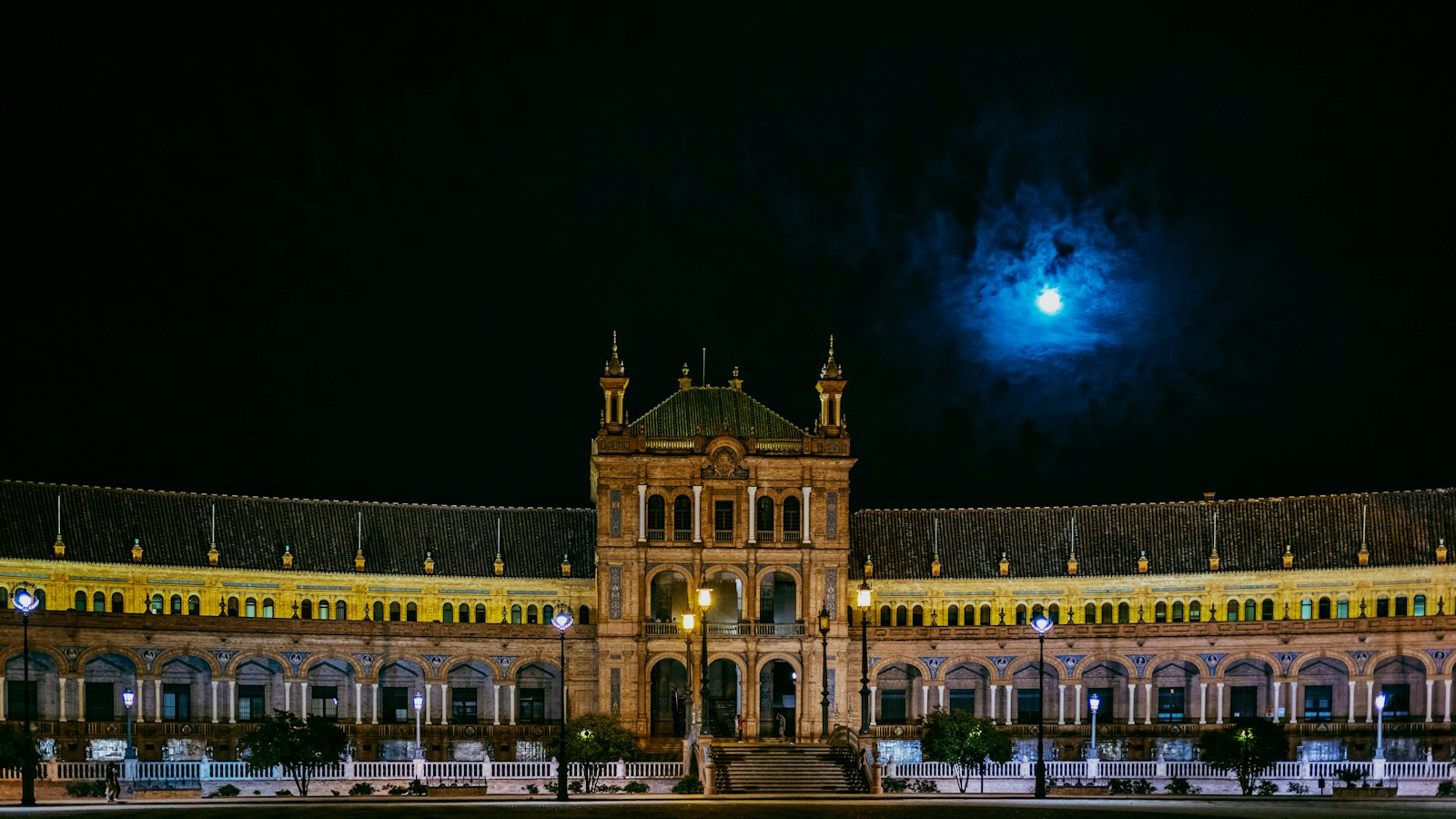
- Plaza de España: Study the sweeping architecture and tiled alcoves dedicated to Spain's provinces, then rest among the trees in María Luisa Park.
- Flamenco: Choose a respected tablao or cultural organisation because performance standards differ considerably between venues and tourist restaurants.
- Metropol Parasol: Known locally as Las Setas, this modern structure has a raised walkway overlooking the old rooftops.
- Guadalquivir riverfront: Follow the water on foot or by bicycle, passing gardens, bridges and the Torre del Oro.
The Alcázar and cathedral require separate tickets. Reserve through their official websites before festival periods, school holidays or popular weekends.
Food and tapas to try
Seville's tapas customs allow several small plates to be ordered and shared during the same meal. Traditional establishments fill Centro, Santa Cruz, El Arenal and Triana. Market counters are useful when travellers prefer to see ingredients before ordering.
Espinacas con garbanzos is a warmly spiced combination of spinach and chickpeas that reflects the city's layered culinary history. Salmorejo, a thick cold tomato soup, usually arrives topped with egg and cured ham. Ask for the ham to be left off. Other possibilities include tortilla española, marinated olives, grilled vegetables, patatas bravas and fried aubergine served with cane syrup. Confirm whether broth, sauces or cooking fats include animal products.
Seafood choices commonly include grilled fish, prawns, squid and assorted fried fish. Travellers observing strict halal requirements should ask whether pork is prepared on the same grill or in the same fryer. Jamón appears throughout local cooking and can be added as a garnish even when it is not obvious from a brief menu description.
Breakfast often consists of toasted bread with tomato and olive oil. Churros can be free of meat ingredients, but diners should still establish what fat is used for frying. Dinner often begins after 8:30pm. Families who need an earlier meal can visit cafés or purchase groceries for self-catering.
Halal dining and prayer facilities
Halal meals are available in Seville, although recognised certification is much less widespread than it is in Kuala Lumpur. Many conventional tapas kitchens rely heavily on pork and alcohol. Moroccan, Middle Eastern, South Asian and kebab restaurants are most likely to display halal claims, particularly around Centro, Macarena and districts with established immigrant communities.
Ask staff whether the meat comes from a halal supplier and whether wine, pork, meat stock, shared grills or common frying oil are involved. A venue that excludes pork can still use meat that is not halal or prepare sauces containing alcohol. Vegetarian dishes, plainly cooked seafood and supermarket food provide useful alternatives once ingredients and preparation have been confirmed. HappyCow can help locate vegetarian businesses, and recent Google Maps comments may include reports from Muslim diners. Because ownership, menus and kitchen practices can change, verify details directly with the restaurant.
Seville supports several active Muslim communities and places of worship, including the congregation connected with the Mosque of Seville Foundation. Visitor access, opening hours and women's facilities are not identical at every location, so checking locally is sensible. A portable prayer mat and qibla application provide additional flexibility during long sightseeing days.
Do not expect Seville Airport to match KLIA's range of Muslim facilities. Staff may be able to identify a quiet space or multi-faith room, but travellers should not depend on finding a dedicated surau.
Transport around the city
Many leading attractions are located within a walk of about 20 minutes from Seville Cathedral. Exploring on foot is therefore convenient, but uneven cobbles and fierce summer temperatures can turn a short route into a tiring one. Comfortable footwear and a midday break help considerably.
TUSSAM operates city buses and the central T1 tram. A regular urban trip usually costs about €1.40 to €2, equivalent to RM 7 to RM 10. Reloadable multi-journey cards reduce the cost per ride. Tourist passes can make sense for frequent daily travel, though centrally based visitors often save money by walking. Buy or top up eligible cards at authorised machines and kiosks, and validate the card upon boarding.
Metro Line 1 is more relevant for journeys between central Seville and outlying neighbourhoods than for a standard monument itinerary. Public bicycles and app-based cycle schemes are effective along the flat river paths. Avoid riding through packed pedestrian alleys.
Grab does not operate in Seville. Depending on current driver coverage, Uber, Cabify and Bolt may be available. Licensed taxis can be found at ranks, hailed in the street or requested through local apps. Short trips within central districts commonly range from €7 to €15, roughly RM 35 to RM 75, before surcharges. For an ordinary city ride, ensure the official meter is used.
Three-day itinerary
- Day 1: Arrive at Plaza de España early, before the heat intensifies, and walk through María Luisa Park towards Santa Cruz. Enter Seville Cathedral at your reserved time and climb the Giralda. Spend the evening around El Arenal or the river, dining at a verified halal restaurant or selecting carefully checked vegetarian tapas.
- Day 2: Give the morning to the Royal Alcázar, including its rooms, courtyards and gardens. After lunch and a rest, explore the small squares north of the cathedral. Reach Metropol Parasol near sunset, then attend a performance at a specialist flamenco venue. Book the palace and show well ahead during busy periods.
- Day 3: Cross Isabel II bridge into Triana and browse the market surroundings and ceramic shops. Walk beside the Guadalquivir towards the Torre del Oro before returning to Centro for shopping or a relaxed café stop. Finish the day beside the water at sunset.
Travellers with a fourth day can take a train to Córdoba, where the compact historic centre is dominated by the Mosque-Cathedral. Check the return timetable first and avoid scheduling Córdoba on the same day as an important timed reservation in Seville. During extremely hot months, place outdoor activities in the morning or evening.
Money, mobile data and useful advice
Spain uses the euro. Multiplying a euro price by about five produces a quick ringgit estimate, but the final amount depends on the card issuer's conversion rate and foreign transaction fee. Cards are widely accepted by hotels, supermarkets, attractions and restaurants. Keep €30 to €60 in cash for markets, small purchases or occasional payment-terminal failures. DuitNow QR is not a standard payment method in Spain.
An eSIM arranged before departure is usually convenient for an unlocked phone. Local mobile companies also offer physical prepaid SIM cards and may request a passport during registration. For a longer European itinerary, a regional roaming plan can be practical. Check which countries it covers and whether a fair-use limit applies.
Electrical outlets use Type C and Type F plugs with a 230V supply. Malaysian three-pin plugs need an adapter. Tipping is voluntary and generally modest. For good table service, rounding up or leaving 5 to 10 percent is adequate.
Seville is generally straightforward for visitors, but pickpockets work around major monuments, transport locations and crowded festivals. Keep phones away from table edges and refuse unexpected help at ticket machines. Purchase attraction entry only through official sites rather than unreliable resellers. Tap water is ordinarily drinkable. In summer, carry water, seek shade and stay away from outdoor queues during the hottest part of the afternoon.
Before you go
- Best time to go
- March to May and October to early November usually provide Seville's most comfortable conditions. Temperatures during these periods are generally suitable for walking, while daylight remains generous. Spring brings orange blossom, Holy Week and the April Fair. Those celebrations also cause dense crowds, traffic restrictions and some of the year's highest accommodation rates, so early reservations are important. June through September may be oppressively hot in the afternoon, although August can occasionally produce hotel bargains. Winter is cooler, calmer and sometimes wet, with attractive prices outside Christmas. Malaysian school holidays can raise long-haul flight costs even when visitor demand within Seville is moderate, making flexible date comparisons worthwhile.
- Visa for Malaysians
- Malaysian passport holders can enter Spain for short visits without a visa, as of September 2026, and can stay up to 90 days during any rolling 180-day Schengen period. ETIAS is not yet required and has no confirmed launch date, though its planned fee is €20. A passport must have been issued within the preceding decade, and its expiry date must be at least three months later than the planned departure from Schengen. Border officers may request proof of accommodation, onward or return transportation and funds of €121.10 per day, with a minimum threshold of €1,098.90. The Entry/Exit System records fingerprints and a facial image at the first crossing instead of using a passport stamp. Airlines may apply a six-month validity requirement, so renewing early is sensible. Verify the latest position with Spain's foreign affairs authority and the official Travel Europe portal.
- Honest budget guide
- A sensible daily allowance for Seville is RM 350 to RM 650 per person, excluding international flights and assuming that two travellers share a room. Amaboxly's fare scan showed one-way travel from Kuala Lumpur starting at RM 2,076 with Turkish Airlines and one transfer. Basic rooms commonly range from RM 225 to RM 350 per night, while a comfortable mid-range double may cost RM 450 to RM 800. Allow RM 80 to RM 180 per person daily for food and RM 20 to RM 60 for local travel, then add cathedral, Alcázar and flamenco admission. For a couple staying three nights, the combined amount may reach approximately RM 5,500 to RM 8,500 once return flights, shared accommodation, meals, transport and key attractions are counted. Holy Week and April Fair dates demand a higher budget.
Frequently asked questions
Do Malaysians need a visa for Seville?
As of September 2026, Malaysian citizens can visit Spain without a visa for up to 90 days during a rolling 180-day Schengen period. ETIAS is not operating yet. Passport conditions still apply, and border officials can ask for proof of funds, accommodation and onward travel. Confirm current requirements through Spain's official foreign affairs information before departure.
Is there a direct flight from Kuala Lumpur to Seville?
No nonstop KUL to SVQ service appears in the September 2026 schedules. Travellers need at least one transfer, and Turkish Airlines offers a workable Istanbul itinerary on selected dates. Amaboxly's fare scan found one-way fares from RM 2,076. Check overall journey length, included baggage and whether every flight is protected under a single ticket.
How many days are enough for Seville?
Three full days can comfortably cover the Royal Alcázar, cathedral, Giralda, Santa Cruz, Plaza de España, Triana and a flamenco show. Four days create room for slower meals or a train excursion to Córdoba. Extra time is particularly helpful in summer because outdoor sightseeing is best divided between the cooler morning and evening hours.
Is Seville Muslim-friendly?
The city has mosques and a selection of halal-labelled Moroccan, Middle Eastern, South Asian and kebab restaurants, but consistent certification is uncommon. Pork, alcohol and shared kitchen equipment feature heavily in tapas establishments. Ask about meat sourcing and preparation, and consider vegetarian meals, seafood or self-catering. Dedicated prayer rooms are far less common than they are in Malaysia.
What is the best month to visit Seville?
October is an excellent option because conditions are commonly pleasant without the major spring festival price increases. March, April and May also offer attractive weather, although Holy Week and the April Fair create crowds and expensive rooms. Visitors who struggle with extreme heat should avoid July and August. Winter is quieter and cheaper but brings cool evenings and occasional rain.
How much money should I budget for four days in Seville?
For four days on the ground, estimate RM 1,400 to RM 2,600 per person before airfare, assuming two people divide the room cost. This covers basic or mid-range lodging, meals, local transport and principal admission charges. Including return flights from Kuala Lumpur raises the likely individual total to about RM 3,500 to RM 5,500. Festival travel can cost considerably more.
Can I use Grab in Seville?
Grab is not available in Seville. Uber, Cabify and Bolt may take bookings when drivers are active, while licensed taxis remain a regulated alternative. Most central journeys are walkable, and buses or the T1 tram cover longer distances. For airport travel, compare the price displayed by the ride-hailing app with the official taxi rate.
Can I visit Seville without speaking Spanish?
Yes. Staff at major attractions, tourist-oriented restaurants and larger hotels commonly understand basic English, but communication may be harder in neighbourhood cafés or taxis. Save the accommodation address on your phone, download an offline Spanish translation pack and learn simple phrases for directions, payments and halal ingredients. These measures remain useful when mobile reception fails.
Jom pergi
Ready to go Seville? Compare available flights and hotels for your dates. Check baggage, cancellation terms and the final total on the booking provider before paying.






