




On this page12 sections
- Overview
- Flying from Kuala Lumpur to the Fuji region
- Reaching Kawaguchiko from Tokyo airports
- Choosing where to stay
- Sightseeing around Mount Fuji
- What to eat around Mount Fuji
- Muslim-friendly meals and prayer planning
- Transport around the Fuji Five Lakes
- Four-day sightseeing itinerary
- Money and practical travel tips
- Before you go
- FAQ
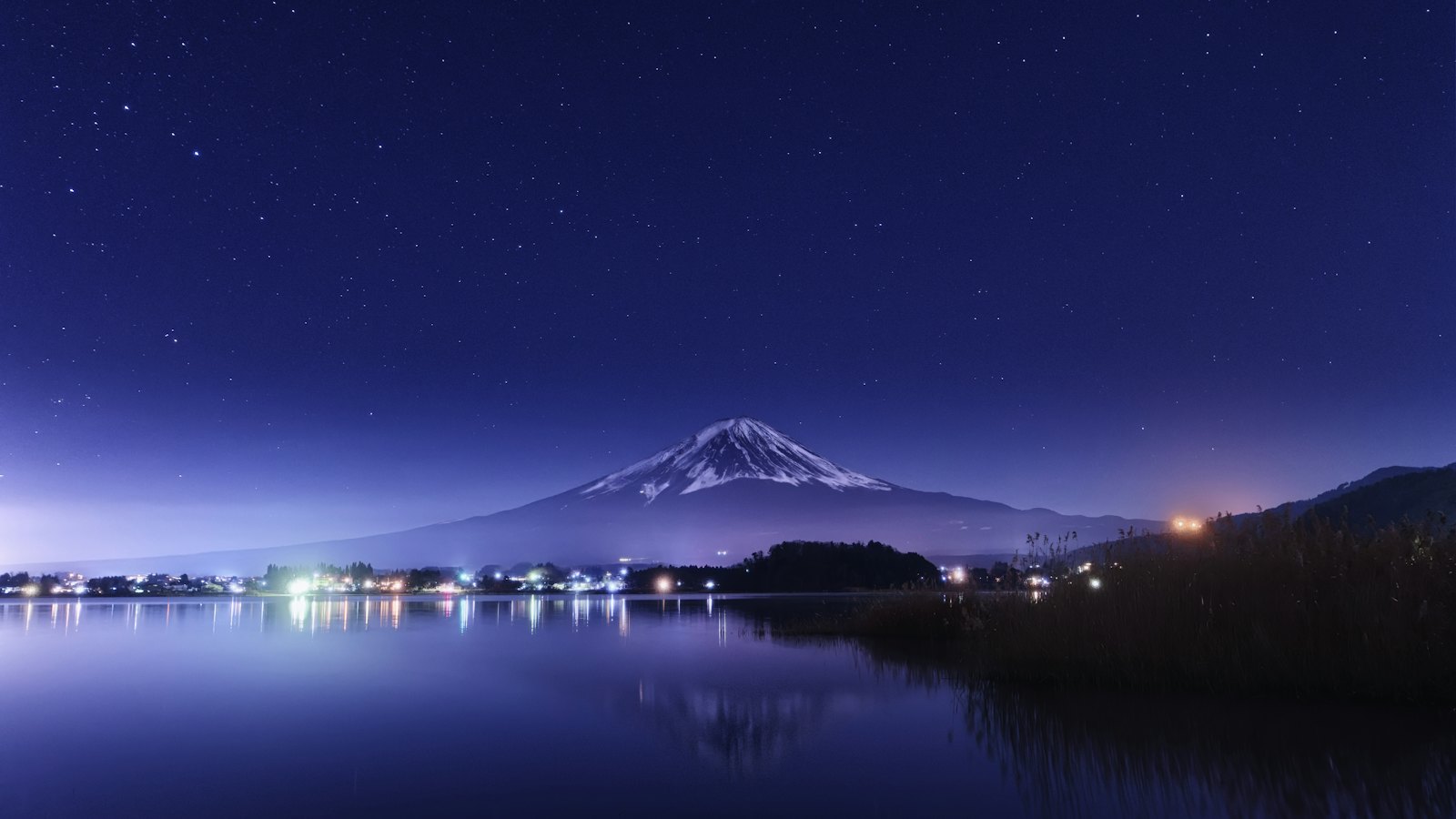
Mount Fuji sits within a large travel region crossing Yamanashi and Shizuoka, rather than one compact destination. Kawaguchiko is usually the simplest base for Malaysians visiting for the first time because buses, accommodation and major viewpoints are concentrated nearby. Summer attracts climbers, while the cooler months often reward sightseers with sharper mountain views. This guide covers flights from KLIA, transfers through Tokyo, suitable places to stay, local transport, food considerations and realistic costs. It also distinguishes a relaxed Fuji Five Lakes holiday from climbing the 3,776-metre summit, which requires separate preparation, equipment and scheduling.
Flying from Kuala Lumpur to the Fuji region
There is no airport at Mount Fuji, so travellers from KLIA must first fly to Tokyo Narita Airport or Haneda Airport. A direct Kuala Lumpur to Tokyo flight normally takes about seven hours. Overnight services can preserve sightseeing time, although an early arrival does not guarantee an immediate connection to Kawaguchiko.
In September 2026, All Nippon Airways operates nonstop flights from Kuala Lumpur to both Haneda and Narita. The Kuala Lumpur to Narita market also lists Batik Air Malaysia, Japan Airlines and Malaysia Airlines. ZIPAIR Tokyo plans to enter the route on 20 October 2026, which means it should not be treated as an operating carrier for earlier dates.
Most of these Tokyo flights use KLIA Terminal 1. Terminal 2 is mainly associated with AirAsia, but airline assignments and codeshare arrangements can alter the departure point. Use the terminal displayed in your current booking rather than relying on an older itinerary.
Amaboxly's September 2026 search found a lowest one-way Kuala Lumpur to Narita price of RM650 on Vietjet for 24 January 2027, involving one connection. The observed median was RM869. Connecting itineraries included stops in Ho Chi Minh City, Hanoi, Singapore and Manila. None of these prices includes transport from Tokyo to the Fuji Five Lakes.
Reaching Kawaguchiko from Tokyo airports
Kawaguchiko is the main public transport hub for exploring the Fuji Five Lakes. Travel from central Tokyo often takes approximately two hours, while an arrival at Narita adds a substantial airport transfer.
- Direct airport bus: Limited buses may run from Narita or Haneda to Kawaguchiko. A suitable departure can mean a journey of about three and a half to four hours from Narita, or two and a half to three hours from Haneda. Budget approximately 4,000 to 6,000 yen, equal to RM112 to RM168.
- Shinjuku connection: Ride the Narita Express to Shinjuku, then board a coach at Shinjuku Expressway Bus Terminal. The full trip generally takes three and a half to four and a half hours and costs about 6,000 to 8,000 yen, or RM168 to RM224.
- Tokyo Station connection: Reach central Tokyo by airport rail or coach, then transfer to a Kawaguchiko highway bus. Leave ample time if the tickets are separate.
- Rail journey: Go to Shinjuku and take a limited express towards Kawaguchiko, or change trains at Otsuki. Certain departures require multiple transfers, with total travel approaching four hours.
- Private vehicle: A door-to-door transfer helps groups carrying many bags, but Narita prices often reach 45,000 to 70,000 yen, or RM1,260 to RM1,960.
For rough calculations, use 100 yen as RM2.80 and verify current schedules and fares.
Choosing where to stay
Select accommodation by considering transport, evening dining and the exact view you want. Attractions occupy a wide area around the volcano, and crossing between its Yamanashi and Shizuoka sides may take a large part of the day.
- Kawaguchiko Station: This is the easiest location without a car. Intercity coaches terminate nearby, sightseeing buses begin their routes here and affordable food is relatively accessible. The surroundings feel busier, and rooms do not automatically face Fuji.
- Lake Kawaguchi's northern and eastern shores: These areas provide the celebrated combination of water and mountain. Ryokan and onsen properties are common, with substantial premiums for private baths or Fuji-facing rooms. Confirm whether a shuttle meets arriving guests.
- Fujiyoshida: Stay here for convenient access to Chureito Pagoda, Fuji-Q Highland and local udon restaurants. The atmosphere is more residential, and room rates can be lower than those beside the lake.
- Gotemba: This base suits outlet shopping, eastern Fuji approaches and journeys continuing through Hakone or Shizuoka. Lake Kawaguchi excursions require more deliberate bus planning.
The label "Mount Fuji area" covers a surprisingly broad zone. Before paying, locate the property on a map and check its closest stop, final evening bus and luggage transfer arrangements.
Sightseeing around Mount Fuji
Cloud can conceal Fuji even when conditions elsewhere seem pleasant. Schedule your priority viewpoint early, and take advantage whenever the summit becomes visible instead of assuming it will remain clear.
- Lake Kawaguchi: Walk or cycle part of the shoreline to see the volcano from several angles across the water.
- Chureito Pagoda: Ascend the long staircase above Fujiyoshida for the well-known scene combining a red pagoda, the town and Fuji. Early visits are generally quieter.
- Mount Fuji Panoramic Ropeway: Travel above the lakeside for a wide outlook in clear weather.
- Oshino Hakkai: Explore spring-fed ponds and traditional-looking buildings between Kawaguchiko and Lake Yamanaka.
- Oishi Park: Enjoy an open northern-shore viewpoint accompanied by seasonal planting.
- Lake Yamanaka: Try cycling or boating at a larger and usually quieter lake with another perspective on Fuji.
- Fuji-Q Highland: Reserve most of a day if high-speed rides and amusement attractions are central to the trip.
- Saiko and western lakes: Discover forests, caves and small settlements by rental car or sightseeing bus.
- Fifth Station: When the access road is open, ride partway up Fuji for elevated scenery without attempting the summit.
Morning, particularly around sunrise, commonly provides better visibility than the cloudier afternoon. The odds also improve beyond the humid summer period.
What to eat around Mount Fuji
Food in Yamanashi tends to be filling and well suited to cold mountain conditions. Kawaguchiko's largest selection lies near the railway station, visitor attractions and main roads. Choices beside quieter stretches of lake become limited after daytime visitors leave.
Hoto is the best-known local speciality. Wide wheat noodles, pumpkin and vegetables cook together in a thick miso broth, producing something closer to a rustic stew than ordinary udon. Meat and animal-based seasonings may be present in the stock, so Muslims should request ingredient details. Fujiyoshida is associated with Yoshida udon, recognised for firm noodles, cabbage and a powerful broth. Beef or horse meat frequently appears among its toppings.
The wider region produces grapes, peaches, freshwater fish, wasabi-flavoured snacks and confectionery shaped like Fuji. Convenience shops offer drinks, breakfast and picnic food, but most labels are written in Japanese. Even simple rice balls can contain mayonnaise, fish, alcohol-based seasoning or animal flavouring.
A traditional inn may build the entire stay around dinner. Explain dietary limitations while arranging the reservation because the kitchen could need advance notice. Vegetarian does not necessarily mean suitable for a halal diet, as stock, sauces and sweets can still contain alcohol or ingredients derived from animals.
Muslim-friendly meals and prayer planning
Muslim travellers can visit the Fuji region comfortably with preparation, although it offers fewer dedicated facilities than Tokyo. Restaurants in Kawaguchiko and Fujiyoshida sometimes advertise halal or Muslim-friendly dishes, but those descriptions do not always indicate the same standard. Ask whether certification exists, who supplies the meat and whether preparation uses separate equipment. A promise of no pork or lard does not address mirin, cooking sake or broth made from non-halal meat.
Bringing familiar snacks is sensible, especially at accommodation far from Kawaguchiko Station. Plain rice, seafood and grilled vegetables may provide alternatives, subject to checking sauces, seasoning and shared surfaces. Recent customer reports on Halal Navi or Google Maps can identify possibilities, but verify dates and certification claims yourself.
Prayer rooms are available at selected transport centres, shopping facilities and larger visitor sites, not throughout every attraction. Carry a small prayer mat and politely request a clean, quiet location when no formal room exists. Both international airports in Tokyo provide prayer facilities, which may be useful before the long onward trip. Anyone needing dependable halal meals should reserve them ahead and carry a Japanese-language card describing the exact dietary requirements.
Transport around the Fuji Five Lakes
Buses serve the principal Lake Kawaguchi attractions reasonably well, but departures become sparse around the more distant lakes. Build each day's route around published times instead of judging connections by kilometres alone.
Sightseeing services beginning at Kawaguchiko Station reach Lake Kawaguchi, Saiko and other parts of the Fuji Five Lakes. Depending on the zones included, a day pass commonly costs about 1,500 to 3,000 yen, or RM42 to RM84. Seats and standing space can fill rapidly during weekends and the autumn foliage period.
Suica, PASMO and similar IC cards are accepted by many trains and some local buses, but travellers should not expect universal coverage. Keep cash and smaller yen notes available. A reserved highway coach or limited express may also need an additional ticket even when the basic rail fare can be paid by IC card.
Taxis operate from Kawaguchiko Station and prominent sights. A short trip may cost 1,500 to 3,500 yen, equivalent to RM42 to RM98, and finding a vehicle becomes harder late in the evening. Grab does not offer the same widespread on-demand service familiar to Malaysians. Any taxi link shown inside its app may have restricted local availability.
Cycling works well on flatter shore roads, but riders must account for traffic, gradients and winter ice. Driving offers the broadest freedom, provided Malaysian visitors obtain the appropriate international driving documents before departure.
Four-day sightseeing itinerary
- Day 1: Travel through Tokyo to Kawaguchiko and settle into accommodation near the station or lake. Take an easy shore walk and purchase morning food before smaller shops close. Photograph Fuji immediately if visibility is good.
- Day 2: Reach Chureito Pagoda early, explore Fujiyoshida and try Yoshida udon after confirming the ingredients. Continue towards Oshino Hakkai and Lake Yamanaka when the day's bus timetable allows, making sure the return service is practical.
- Day 3: Begin at Oishi Park and explore Lake Kawaguchi's northern shore. Add the panoramic ropeway or a bicycle ride, followed by an onsen or local museum. Visitors primarily interested in roller coasters can devote the whole day to Fuji-Q Highland instead.
- Day 4: Take a seasonal journey to the Fifth Station, or discover Saiko and the western lakes. Retrieve stored luggage and travel back to Tokyo. Avoid pairing this long transfer with a closely timed international departure from Narita because congestion or poor weather can create delays.
Anyone planning to summit Fuji needs another schedule, appropriate clothing and equipment, and at least one extra night. These four days describe a sightseeing visit and should not be used as a climbing programme.
Money and practical travel tips
Japan's currency is the yen. A convenient planning estimate is RM28 for 1,000 yen, but the actual exchange rate will vary. Hotels, major attractions and convenience shops widely accept cards, while cash remains useful on country buses and at small restaurants or lockers. DuitNow QR should not be expected as a routine Japanese payment option.
Buying an eSIM before leaving Malaysia is convenient for many visitors. Tourist SIM cards and portable Wi-Fi units are also sold or collected at Tokyo's airports. Save accommodation names in Japanese and download offline maps because rural stops can have confusingly similar English names.
Electrical outlets use two-flat-pin Type A plugs and a 100-volt supply. Malaysian plugs require an adapter, and every device should be checked for 100-volt compatibility. Staff do not expect tips. Some properties collect bathing, lodging or local visitor charges separately from the advertised room rate.
The district is generally safe, although mountain weather can change rapidly and ice affects winter paths. Remain behind safety barriers when taking photographs. Climbers must prepare for cold, altitude, fatigue and lightning during the official season. Beyond that period, closed huts and reduced transport make ordinary recreational ascents inappropriate. Choose insurance that specifically includes hiking if a climb is planned, and follow Japanese government alerts concerning severe weather, earthquakes and volcanic conditions.
Before you go
- Best time to go
- October, November and the period from late March through May provide a strong combination of pleasant sightseeing temperatures and opportunities for an unobstructed view. Autumn has cool, crisp conditions and colourful foliage, but popular weekends bring crowded buses and higher room prices around Lake Kawaguchi. Spring remains much cooler than Kuala Lumpur, with blossom timing changing by altitude. June is typically wet. July and August form the main official climbing period, although humidity and cloud can obscure the mountain from below. Winter frequently produces exceptionally clear views and a snowy summit, but lakeside temperatures can fall to freezing or lower. Demand rises during Malaysian school breaks, Japan's Golden Week and peak autumn weekends, making early room and coach reservations worthwhile.
- Visa for Malaysians
- Malaysians holding a qualifying biometric passport can make a short visa-free visit to Japan. As of September 2026, a Malaysian citizen with an ICAO-compliant, chip-equipped ePassport can enter for up to 90 days as a temporary visitor. Permitted purposes include tourism, visiting relatives and short business activities, but employment is excluded. A traveller whose passport does not meet that specification should arrange a visa beforehand. The passport must remain valid for the complete visit, and arrival processing includes fingerprinting and a facial photograph. Visit Japan Web is optional and provides digital immigration and customs QR codes. JESTA, including any associated charge, is not yet required and is planned for fiscal 2028. Recheck the rules through Japan's foreign ministry or its embassy in Malaysia shortly before departure.
- Honest budget guide
- A comfortable Fuji visit generally requires RM350 to RM650 per traveller for each day on the ground, before international airfare. Amaboxly's September 2026 Kuala Lumpur to Narita results started at RM650 one way with a Vietjet connection, while the median observed price was RM869. Basic Kawaguchiko accommodation may be about RM180 to RM350 nightly. Mid-range rooms often cost RM400 to RM800, and a scenic ryokan with special bathing facilities can be far more expensive. Plan approximately RM80 to RM160 a day for meals, plus RM40 to RM120 for local travel and standard attractions. Including return flights, Tokyo connections and four days near Fuji, a typical overall estimate is RM2,800 to RM5,000 per person. Weekend dates, autumn leaves and climbing season can raise every major expense.
Frequently asked questions
Do Malaysians need a visa to visit Mount Fuji?
As of September 2026, Malaysian nationals travelling with an ICAO-compliant biometric ePassport qualify for visa-free temporary visitor entry for up to 90 days. Paid employment is not permitted under that status. Visit Japan Web remains optional, and JESTA has not started. Ensure the passport is valid for the entire journey and confirm any later rule changes with an official Japanese government or embassy source.
Are there direct flights from Kuala Lumpur to Mount Fuji?
No airport serves Mount Fuji itself. Travellers fly from Kuala Lumpur to Haneda or Narita in Tokyo, then transfer by rail or highway coach. In September 2026, All Nippon Airways flies to both airports, while Batik Air Malaysia, Japan Airlines and Malaysia Airlines appear on the Narita route. ZIPAIR Tokyo is scheduled to start Kuala Lumpur service on 20 October 2026.
How do I travel from Narita Airport to Mount Fuji?
Use a direct Kawaguchiko airport coach if its limited departure time fits your arrival. Otherwise, go from Narita to Shinjuku or Tokyo Station and change to a Fuji-bound bus or train. Most complete journeys require around three and a half to four and a half hours. Add a buffer for immigration, baggage collection, queues and road traffic, particularly when holding separately issued tickets.
How many days are enough for Mount Fuji?
Three complete days can cover Lake Kawaguchi, Chureito Pagoda, Oshino Hakkai and another nearby lake. Four days are preferable because cloud may hide Fuji throughout one day. Visitors adding Fuji-Q Highland, Hakone or less accessible western lakes should stay longer. A summit attempt is a different undertaking that needs appropriate equipment, seasonal checks and its own carefully paced itinerary.
What is the best month to see Mount Fuji?
November combines cool air, autumn colour and a good chance of clear views, although weekends can be crowded. From December through February, visibility is often excellent and the summit is snow-covered, but icy paths and freezing mornings are possible. July and August are the recognised climbing months. Those same months can be disappointing for distant views because humid summer cloud often covers the mountain.
Is the Mount Fuji area Muslim-friendly?
The region is workable for Muslim visitors who plan ahead, but dedicated halal dining and prayer facilities are less common than in Tokyo. Some Kawaguchiko and Fujiyoshida restaurants offer suitable dishes, with differing certification and kitchen practices. Ask specifically about meat, alcohol, broth and shared utensils. Reserve special ryokan meals early, bring emergency snacks and carry both a prayer mat and a Japanese dietary card.
Can I use Grab around Mount Fuji?
Grab should not be treated as the default local transport service. A taxi connection might appear in the app, but availability can be poor near remote lakes or after dark. Conventional taxis gather around Kawaguchiko Station and major visitor sites, although repeated journeys become costly. Sightseeing buses offer better value on established routes, while a rental car with the proper documentation provides easier access to outlying viewpoints.
How much money do I need for four days at Mount Fuji?
Allow roughly RM2,800 to RM5,000 each for return flights through Tokyo, airport connections, four days of lodging, meals and regular attractions. A premium ryokan, private onsen, Fuji-Q Highland admission or frequent taxi use will increase the total. Keep some Japanese yen for smaller restaurants, lockers and rural buses that may not take cards. Prices and currency conversion can change, so treat this as planning guidance.
Jom pergi
Ready to go Mount Fuji? Compare available flights and hotels for your dates. Check baggage, cancellation terms and the final total on the booking provider before paying.






