




On this page13 sections
- Overview
- Airport transfer and getting from Kuala Lumpur to Agra
- Flight prices found in our fare scan
- Visa and entry requirements for Malaysians
- Where to stay in Agra
- Essential sights and things to do in Agra
- Food and halal considerations
- A practical three-day Agra itinerary
- Transport within Agra
- Weather and packing advice
- Money, payments and mobile connectivity
- Before you go
- FAQ
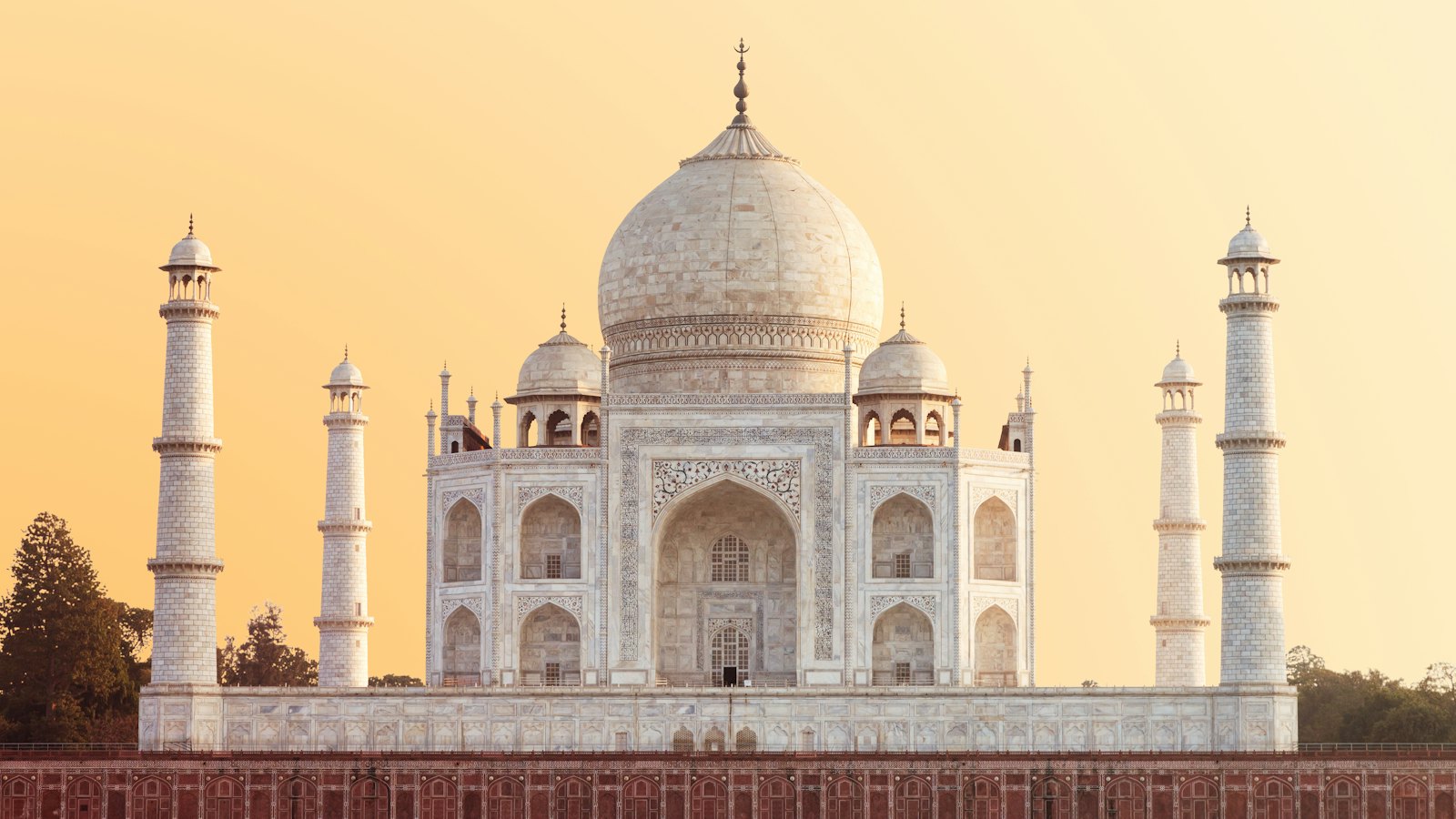
Agra, in the Indian state of Uttar Pradesh, contains the Taj Mahal and several other important Mughal sites. Malaysian travellers can comfortably explore the city in two or three days after reaching it through Delhi. Direct Kuala Lumpur to Delhi flights, fast trains and major highways make the journey manageable, while India's online visa process simplifies preparation. This guide explains the relevant entry rules, transport choices, expected costs, suitable places to stay, halal considerations and a practical three-day itinerary. It also covers local weather, money, mobile connectivity and the details worth checking before departure.
Airport transfer and getting from Kuala Lumpur to Agra
Agra does not have regular direct flights from Kuala Lumpur, and its airport handles very limited scheduled commercial traffic. The simplest approach is therefore to fly to Delhi and complete the remaining journey by train or road.
As of September 2026, Air India, Batik Air Malaysia and Malaysia Airlines operate nonstop services between Kuala Lumpur and Delhi. AirAsia X also serves the route, but its flights are scheduled to end on 23 October 2026. Airlines may change terminals or schedules, so check the details printed on your current booking before leaving for the airport.
A nonstop flight from KLIA to Delhi normally lasts about five and a half to six hours. Routes connecting through cities such as Bangkok or Colombo take longer because of the layover.
From Delhi, the Gatimaan Express and Shatabdi Express can reach Agra in close to two hours. Travelling by road usually requires three to four hours, depending on congestion, the airport pickup point and the chosen route.
Flight prices found in our fare scan
Amaboxly reviewed Kuala Lumpur to Delhi fares and found a lowest nonstop price of RM617 for a Batik Air Malaysia flight departing on 10 November 2026. The median price among the nonstop fares examined was RM937, giving travellers a useful benchmark when comparing available dates.
Connecting flights did not always cost less. One itinerary passing through Bangkok was priced at about RM799, while an option connecting in Colombo was approximately RM1,009. A stop may still suit travellers seeking a particular schedule or airline, but the extra journey time should be considered alongside the fare.
These figures represent a dated search rather than fixed prices. Airfares respond to demand, season, baggage selection and booking timing. Compare live prices before purchasing, and check whether checked luggage, meals or seat selection are included. The cost of onward travel from Delhi to Agra must also be added when calculating the complete journey.
Visa and entry requirements for Malaysians
Malaysian citizens need a visa to enter India as of September 2026. For an Agra holiday, the e-Tourist Visa is generally the most convenient option. It is currently free for Malaysian passport holders, with that fee arrangement stated to remain in effect until 31 December 2026.
The visa permits two entries and a stay of up to 30 days counted from the first arrival. It cannot be extended. Applications are completed through indianvisaonline.gov.in and must be submitted no earlier than 120 days and no later than four days before arrival.
When applying, travellers need a passport with at least six months of remaining validity and two blank pages. Proof of onward or return travel should also be available. In addition, a free e-Arrival Card must be filed within 72 hours before arrival. It can be completed through the visa portal, the Bureau of Immigration website or the Indian Visa Su-Swagatam app.
Because entry policies may be revised, confirm every requirement on an official Indian government website. Avoid unofficial agencies that add service charges to an application that should presently be free.
Where to stay in Agra
Accommodation near the Taj Mahal's East Gate or West Gate works well for visitors who want short transfers to the monument. These neighbourhoods contain choices ranging from simple guesthouses to larger hotels, making them suitable for different spending levels. Staying nearby can also make an early morning Taj Mahal visit easier, especially when traffic begins building later in the day.
Fatehabad Road is another practical base. It generally has a broader collection of mid-range and upscale properties while remaining within a manageable drive of Agra's principal attractions. Travellers who value hotel facilities, restaurant choice or easier car access may prefer this corridor.
Before reserving a room, inspect recent guest reviews and locate the property on a map rather than relying only on its description. Confirm the travel time to the gate you plan to use, whether breakfast is available before an early visit and whether the hotel can arrange a reliable taxi or driver. Prices, services and opening arrangements can change.
Essential sights and things to do in Agra
- The Taj Mahal is Agra's defining attraction. Emperor Shah Jahan commissioned this marble mausoleum, which closes to general visitors every Friday. An early visit usually provides cooler conditions and lighter crowds.
- Agra Fort is a large Mughal complex built mainly from red sandstone beside the Yamuna River. Several sections provide views in the direction of the Taj Mahal.
- Fatehpur Sikri lies roughly 40 kilometres from Agra. This former Mughal capital is notable for its sandstone palaces, courtyards and mosque, and it works well as a day trip.
- Itmad-ud-Daulah is a smaller marble tomb created before the Taj Mahal. Often nicknamed the Baby Taj, it is admired for its fine inlay decoration.
- Mehtab Bagh is a riverside garden opposite the Taj Mahal. Its position offers another perspective on the monument and is particularly appealing near sunset.
Opening times and admission arrangements can be revised, so check official information shortly before each visit.
Food and halal considerations
Mughlai cooking forms an important part of Agra's food culture, and restaurants across the city serve dishes influenced by that tradition. The city's substantial Muslim community means halal meat is reasonably easy to find. However, formal halal signs or certificates are not displayed as consistently as Malaysian visitors might expect.
Ask restaurant staff directly where meat comes from and how it is prepared before placing an order. Travellers concerned about shared cooking equipment should ask about that separately, since a verbal statement about the meat does not necessarily cover every aspect of preparation.
Vegetarian restaurants are widespread and provide a straightforward alternative when halal sourcing cannot be confirmed. India has an extensive range of meat-free meals, although travellers with strict requirements may still wish to ask whether a dish contains alcohol, animal fats or other unwanted ingredients.
Standards can differ between businesses, so assess each establishment individually instead of assuming that every outlet follows the same practices. Recent reviews and advice from trusted local staff can help identify suitable options.
A practical three-day Agra itinerary
- Day 1: Arrive in Agra, check into your accommodation and allow time to recover from the trip. Visit Agra Fort during the afternoon, then consider a relaxed walk or viewpoint near the river before dinner. Keeping the first day flexible helps if the train or road transfer from Delhi runs late.
- Day 2: Begin at the Taj Mahal in the early morning, when temperatures and crowd levels are often more comfortable. Return to your hotel for breakfast or a rest. Later, choose between the detailed marble work at Itmad-ud-Daulah and the river view from Mehtab Bagh, or visit both if time and energy allow.
- Day 3: Travel to Fatehpur Sikri, approximately 40 kilometres away. A hired car can simplify the round trip and provide flexibility at the site. Return to Agra that evening, or arrange onward transport if the city is the final stop on a wider Indian itinerary.
This schedule covers the principal monuments without making every day overly crowded.
Transport within Agra
Auto-rickshaws and app-based cabs are common choices for short journeys between Agra's hotels and attractions. A rickshaw can be convenient for a simple point-to-point trip, while a cab may offer more comfort in hot weather or when carrying luggage. If a rickshaw does not use a meter, settle the total fare before the ride begins.
Hotels and local travel desks can usually arrange a car with a driver for half a day or a full day. This option is useful when combining several attractions or visiting Fatehpur Sikri, where waiting time and the return journey should be included in the agreed price. Confirm what the quotation covers, including parking, tolls and driver waiting charges.
Keep some Indian Rupees available because smaller operators may not accept cards or foreign payment apps. Allow extra time around busy roads and popular monuments. Before leaving a vehicle, check that you have your phone, passport, wallet and any entry tickets.
Weather and packing advice
Agra remains hot and relatively dry for much of the year, with particularly demanding temperatures during the summer. Conditions generally become cooler and more suitable for extended sightseeing toward the end of the year and through early spring. Malaysians who are familiar with tropical humidity may still find Agra's strong, dry heat tiring.
Pack loose, breathable clothes, sun protection and a refillable water bottle. A hat and sunscreen are especially useful at Fatehpur Sikri and other exposed sites. During the cooler season, mornings and evenings can justify a light outer layer, while winter haze may occasionally affect distant views.
Comfortable footwear is important because the Taj Mahal, Agra Fort and Fatehpur Sikri involve substantial walking. Stone paving and uneven areas can be uncomfortable in unsuitable shoes. Modest clothing is sensible when entering religious spaces, and a light scarf can be useful. Review the forecast immediately before departure because temperatures and seasonal conditions vary across the year.
Money, payments and mobile connectivity
The Indian Rupee is Agra's local currency. As a rough reference, ₹1,000 is equivalent to about RM50, although exchange rates continually move and should be checked near the date of travel. Hotels and larger restaurants commonly accept cards, but cash remains useful for small food purchases, local shops and auto-rickshaw fares.
Carry a mixture of smaller notes rather than depending on large denominations for low-cost transactions. Ask about card surcharges when uncertain, and keep a backup payment method separate from your main wallet. Prices should be confirmed before accepting transport or services.
Malaysian visitors can usually obtain an Indian SIM card or arrange an eSIM before departure or after arriving in Delhi. Completing the setup before continuing to Agra may make navigation and transport booking easier. Activation rules and device compatibility vary, so verify that the selected plan works with your phone. Download essential booking details and maps for offline access in case mobile service is interrupted.
Before you go
- Best time to go
- October through March usually offers Agra's most comfortable sightseeing weather. These cooler months avoid the most punishing summer heat, although winter mornings may be chilly or hazy. Pack a light layer for early starts and evenings, particularly if you plan to reach the Taj Mahal around opening time. Conditions change from year to year, so review the forecast before departure and prepare for outdoor walking even during the preferred season.
- Visa for Malaysians
- Malaysian passport holders need an Indian visa as of September 2026. The e-Tourist Visa currently costs Malaysians nothing and allows two entries with a maximum stay of 30 days from first arrival. This free arrangement is stated to continue until 31 December 2026. Apply at indianvisaonline.gov.in between 120 days and four days before arrival. Your passport needs six months of remaining validity and two blank pages. Carry onward or return travel evidence, and submit the free e-Arrival Card within 72 hours before arrival through an official portal or the Indian Visa Su-Swagatam app. Recheck government guidance before applying because rules may change.
- Honest budget guide
- Agra can accommodate both economical and more comfortable travel styles. Budget travellers may spend around RM170 to RM350 per day on a guesthouse, local meals and rickshaw rides. A mid-range visit may cost RM350 to RM700 daily with a better located hotel, varied dining and partial use of a hired car. Admission fees, meals and local transport are generally affordable compared with Malaysian prices. Reaching the city is usually the largest expense. Amaboxly found nonstop Kuala Lumpur to Delhi fares from RM617, with a RM937 median. Sample connecting fares were RM799 through Bangkok and RM1,009 through Colombo. Add the train or road transfer from Delhi when preparing the full budget.
Frequently asked questions
Are there direct flights from Kuala Lumpur to Agra?
No regular direct service connects Kuala Lumpur with Agra. Most Malaysian visitors fly to Delhi, then take a fast train or travel by road. Agra's airport has very limited scheduled commercial service, so Delhi normally offers the widest choice of flights and the most dependable onward connections.
How long should I spend in Agra?
Two days can cover the Taj Mahal, Agra Fort and one or two smaller attractions. Three days provides a less rushed visit and leaves enough time for Fatehpur Sikri, about 40 kilometres away. The additional day also creates useful flexibility if transport from Delhi is delayed.
Do Malaysians need a visa for India?
Yes. As of September 2026, Malaysian passport holders require an Indian visa. The e-Tourist Visa is currently free for Malaysians until 31 December 2026 and allows two entries with a stay of up to 30 days from the date of first arrival.
How do I travel from Delhi to Agra?
Fast trains such as the Gatimaan Express and Shatabdi Express usually complete the journey in close to two hours. A road transfer generally takes three to four hours, depending on traffic, route and pickup location. A private car offers flexibility, while the train is often faster.
Is halal food available in Agra?
Halal meat is relatively accessible because Agra has a sizeable Muslim population and a strong Mughlai food tradition. Visible certification is not universal, however, so ask each restaurant about sourcing and preparation. Vegetarian restaurants are widely available when halal arrangements cannot be confirmed.
When is the Taj Mahal closed?
The Taj Mahal is closed to general visitors on Fridays. Plan the rest of your itinerary around that weekly closure, especially on a short trip. Opening times and ticket procedures can change, so confirm current official information before visiting and arrive early when possible.
What is the best season to visit Agra?
October to March generally brings the most comfortable conditions for walking around Agra's outdoor monuments. Summer can be intensely hot, while winter mornings may feel cool and sometimes hazy. A light layer, sun protection and comfortable walking shoes remain useful during the cooler season.
How much money should I budget each day?
A budget visit may cost about RM170 to RM350 per person per day, while a more comfortable mid-range trip may require RM350 to RM700. These estimates cover typical accommodation, food and local transport but exclude international flights and may not include every attraction ticket.
Jom pergi
Ready to go Agra? Compare available flights and hotels for your dates. Check baggage, cancellation terms and the final total on the booking provider before paying.






