




On this page12 sections
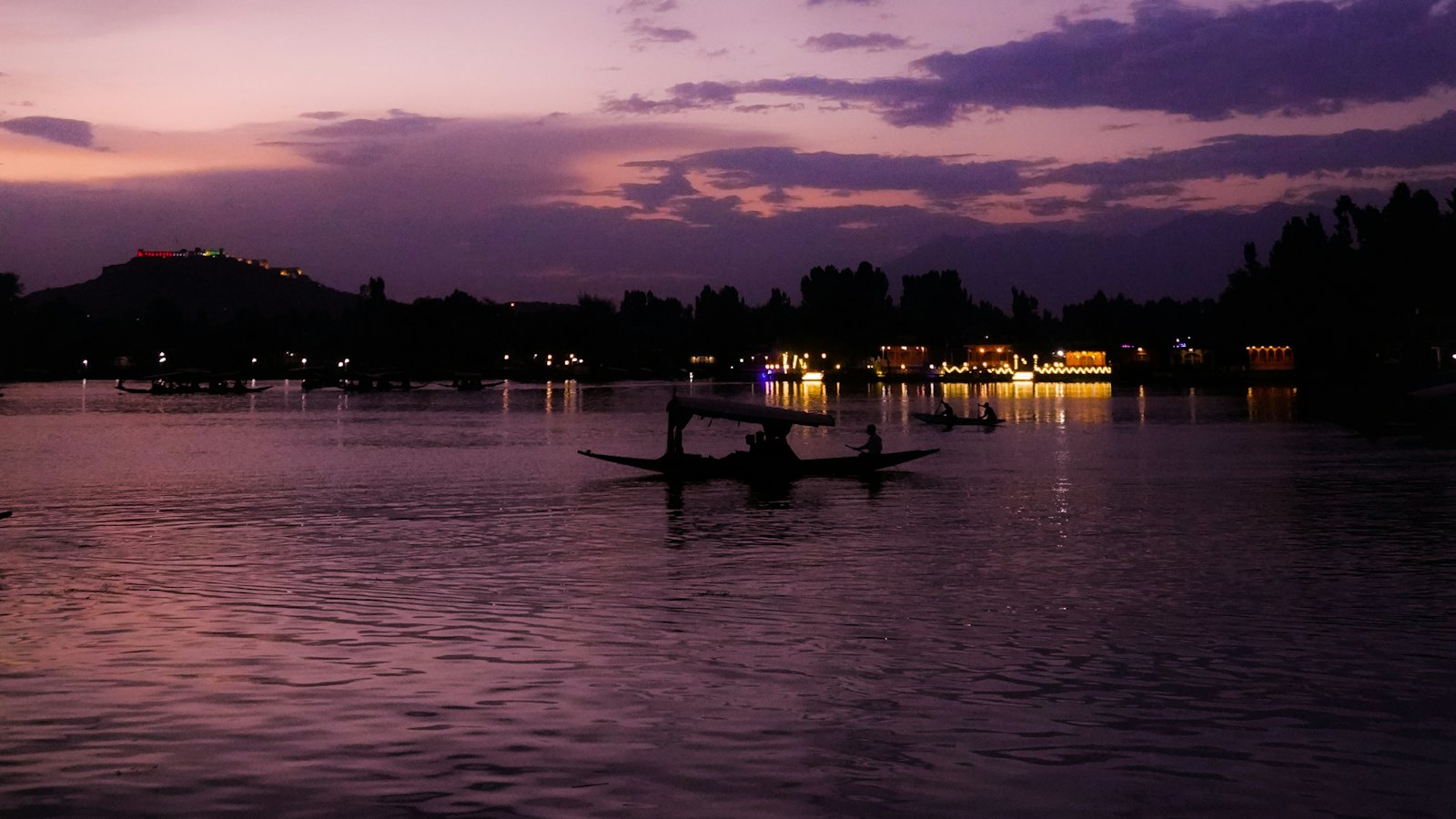
Kashmir combines Srinagar's houseboats and Mughal gardens with the mountain valleys of Gulmarg and Pahalgam. It feels markedly different from India's major cities: mornings begin with kahwa, wooden shikaras cross Dal Lake, and snow remains on the high slopes long after spring reaches the valley floor. For Malaysians, the region is especially approachable because halal friendly food and prayer facilities are widely available in Srinagar. The practical side needs more planning. There is no nonstop flight from Kuala Lumpur to Srinagar, road journeys are slower than distances suggest, and weather or security conditions can affect schedules. This guide covers the connections, costs, visa steps and a four day route worth knowing before you leave.
Getting There
Srinagar Airport (SXR) is the main air gateway for Kashmir. There is no nonstop service from Kuala Lumpur, so every practical itinerary requires at least one connection, normally through Delhi or another Indian hub. Book both sectors on the same ticket where possible, since a through booking gives better protection if immigration queues, weather or security procedures delay the first flight.
Total journey time from Kuala Lumpur commonly falls between 10 and 16 hours, although a long layover can turn it into an overnight trip. Allow at least three hours for a self transfer that involves immigration, baggage collection and a terminal change. Check the booking carefully, since Kuala Lumpur departures can use either KLIA Terminal 1 or Terminal 2 depending on the operating carrier.
Use roughly RM800 to RM1,600 one way from Kuala Lumpur to Srinagar as an indicative planning range. Prices move with the season, and Malaysian school holidays plus the northern summer push demand and fares higher. Compare a through ticket against separate Kuala Lumpur to Delhi and Delhi to Srinagar bookings, but leave a generous buffer if splitting tickets, since a delay on the first sector can strand the second.
Srinagar Airport to Dal Lake and the city
Srinagar Airport sits a short drive from the city centre and from the Dal Lake area, where most visitors base themselves. Prepaid taxi counters inside the terminal are the simplest option on arrival, since fares are fixed before you get in the car. Ride hailing apps have patchy coverage in Kashmir, so airport taxis and hotel or houseboat transfers remain the most reliable way to reach your accommodation. A prearranged pickup can also help when you arrive late or carry bulky winter luggage.
Airport security in Srinagar is more thorough than at most Indian airports, with additional baggage and identity checks. Arrive earlier than you would elsewhere in India, particularly for departing flights, and keep your passport and boarding pass accessible throughout.
Where to stay in Srinagar
Dal Lake houseboats are the signature Srinagar stay, ranging from simple family run boats to more elaborate carved wood interiors, and a night on the water is worth building into any itinerary. For a more conventional base, the Raj Bagh and Jawahar Nagar areas offer hotels within easy reach of the lake, the Mughal gardens and the Old City.
Book houseboats through an established travel agent or a well reviewed platform rather than arranging everything on arrival, and confirm what is included, since meals and boat transfers are sometimes billed separately. Treat any listed price as a starting point for negotiation rather than a fixed rate. Ask for the boat's exact location, heating arrangements and recent guest photographs before paying.
Things to do in Kashmir
- Take a shikara ride across Dal Lake at sunrise or sunset, when the water is calmest and the light is best for photographs
- Walk through the Mughal gardens of Nishat and Shalimar, terraced gardens built for the Mughal emperors with views over the lake
- Ride the cable car at Gulmarg for wide views of the surrounding peaks, weather permitting
- Spend a morning in the Old City around Jamia Masjid, one of the largest mosques in the region, and the surrounding lanes of wood fronted buildings
- Visit Hazratbal Shrine on the northern shore of Dal Lake, a significant pilgrimage site for Kashmiri Muslims
- Take a day trip to Pahalgam or Sonamarg if your schedule allows an extra day, for river valleys and higher altitude scenery
What to eat
Kashmiri cuisine centres on wazwan, a multi course meal built around meat dishes such as rogan josh and yakhni, traditionally served at celebrations but also available in simplified form at restaurants across Srinagar. Rice is the staple, and meals are often finished with kahwa, a spiced green tea served in small cups. Restaurants can explain spice levels and portion sizes if you are unfamiliar with wazwan dishes.
Vegetarian options exist but are less central to the local style, so travellers with strict dietary needs should confirm dishes and ingredients directly with staff before ordering. Street food stalls around the Old City and lakefront areas are popular with visitors, though standards of hygiene vary and it is worth choosing busy stalls with high turnover.
Halal food and prayer spaces
Kashmir has a majority Muslim population, and halal food is the norm rather than the exception across Srinagar, which makes the region more comfortable for Malaysian Muslim travellers than many other parts of India. Formal halal certification logos are not always displayed the way they are in Malaysia, so travellers who keep to strict standards should still ask directly about meat sourcing and preparation when eating out.
Mosques are numerous throughout Srinagar and the wider valley, including Jamia Masjid and Hazratbal Shrine, and prayer facilities are generally easy to find in the city centre and near major tourist sites. Carrying a travel prayer mat is still useful for excursions to more rural areas such as Gulmarg or Pahalgam, where dedicated facilities may be limited.
Getting around Srinagar and Kashmir
Within Srinagar, hotel and houseboat operators can arrange a car and driver for the day, which is the most practical way to combine several sights without worrying about local traffic patterns or directions. Shared and private taxis also connect Srinagar with Gulmarg, Pahalgam and Sonamarg, though journey times can run long on mountain roads, especially in poor weather. For longer outings, confirm whether parking, tolls and waiting time are included in the quote.
Self driving is uncommon among visitors and is not recommended given unfamiliar road conditions and variable signage. Agree fares or confirm metered pricing before starting any journey, and build extra time into day trips in case of road closures, since mountain routes can be affected by weather with little notice.
A practical four day Kashmir itinerary
- Day 1: Arrive in Srinagar, settle into a houseboat on Dal Lake, and take an evening shikara ride
- Day 2: Visit the Mughal gardens of Nishat and Shalimar in the morning, followed by Hazratbal Shrine and the lakefront in the afternoon
- Day 3: Take a full day trip to Gulmarg for the cable car and mountain views, returning to Srinagar in the evening
- Day 4: Explore the Old City around Jamia Masjid, browse local crafts, and use the afternoon for any final errands before departure
Travellers with an extra day or two can extend the trip with a day in Pahalgam or Sonamarg. Add the excursion before departure or shift the Old City visit to make room. Trying to combine a mountain day trip with city sightseeing on the same day creates a rushed schedule and leaves little flexibility for traffic or changing weather.
Money, SIMs and practical advice
Carry sufficient cash, since card acceptance outside larger hotels can be inconsistent, and ATMs are less consistently available in Kashmir than in major Indian cities. Notify your Malaysian bank of your travel dates before departure to avoid card blocks.
Foreign SIM cards, including Malaysian ones, generally do not work on local networks in Jammu and Kashmir, and postpaid foreign SIMs are commonly restricted in the region for security reasons. Most visitors rely on hotel or houseboat wifi and offline maps rather than a local SIM. Check current advice closer to your travel dates, since rules for foreign visitors in the region can change.
Pack layers regardless of season, since temperatures in Srinagar and especially at higher elevations such as Gulmarg can be significantly cooler than the rest of India. Conditions can shift quickly in the mountains, so carry rain protection and a warm outer layer even when Srinagar feels mild.
Before you go
- Best time to go
- Spring and early autumn offer some of the most comfortable conditions for visiting Srinagar. March to May brings blossoms and mild weather, making it a pleasant period for garden visits and lake trips. June to August is warmer in the valley and is the main season for higher altitude trips to Gulmarg, Pahalgam and Sonamarg, though it also draws the largest crowds. September and October bring clearer skies and autumn colour with fewer visitors. Winter, from December to February, brings snow to Gulmarg and is popular for winter sports, but Srinagar itself is cold and some services in the wider valley scale back.
- Visa for Malaysians
- Malaysian passport holders must obtain an Indian visa before travelling to Kashmir. As of September 2026, the straightforward tourism option is the free 30 day e-Tourist Visa for Malaysians. Apply only through indianvisaonline.gov.in at least four days before arrival and up to 120 days ahead. The visa permits double entry and cannot be extended. One year and five year e-Tourist Visas are also available for a fee, with stays capped at 180 days in India per calendar year. Your passport must be valid for six months from the application date and contain two blank pages. You can complete a free e-Arrival Card online within 72 hours before landing through the visa portal, boi.gov.in, or the Indian Visa Su-Swagatam app. Carry printed visa approval and proof of onward or return travel. Recheck official requirements shortly before departure because visa terms can change.
- Honest budget guide
- Set aside extra money for seasonal fare changes and possible weather delays. Flights from Kuala Lumpur to Srinagar typically cost RM800 to RM1,600 one way as an indicative range, depending on the season and booking window. Houseboat and hotel prices vary widely by standard and travel period, so compare several options before booking. Meals, local transport and entrance fees for gardens and attractions are generally affordable by Malaysian standards. Day trips to Gulmarg or Pahalgam add the cost of a car and driver. Keep a financial buffer because disrupted flights or roads may require another meal, transfer or night of accommodation.
Frequently asked questions
Do Malaysians need a visa to visit Kashmir?
Yes. Kashmir is part of India, so Malaysian passport holders need an Indian visa. The 30 day e-Tourist Visa is free for Malaysians as of September 2026 and is the simplest option for a holiday. Apply online through the official portal at indianvisaonline.gov.in and check the current conditions again before departure.
Is there a direct flight from Kuala Lumpur to Srinagar?
No nonstop Kuala Lumpur to Srinagar service is available at the time of writing. Travel requires at least one connection, usually through Delhi or another Indian hub. A complete journey commonly takes 10 to 16 hours. Booking both sectors on one ticket gives better protection if the first flight is delayed.
How much does a Kashmir trip cost from Malaysia?
Flights are typically RM800 to RM1,600 one way as an indicative range, with prices rising during Malaysian school holidays and the northern summer. Accommodation and daily costs in Kashmir itself are generally affordable by Malaysian standards, though mountain day trips add the cost of a car and driver.
Is Kashmir safe for Malaysian tourists?
Many Malaysian travellers visit Kashmir without incident, and the main tourist areas around Srinagar, Gulmarg and Pahalgam receive regular visitor traffic. Conditions in the wider region can change, so check current travel advisories from official Malaysian and Indian sources before leaving and follow local guidance throughout the trip.
Is halal food easy to find in Kashmir?
Yes. Halal food is the norm across Srinagar because the region has a majority Muslim population, making Kashmir relatively straightforward for Malaysian Muslim travellers. Formal certification logos are not always displayed as they are in Malaysia, so visitors with strict requirements should confirm meat sourcing and preparation directly with restaurant staff.
Do Malaysian SIM cards work in Kashmir?
Generally, they do not. Foreign SIM cards typically cannot connect to local networks in Jammu and Kashmir, and postpaid foreign SIMs are commonly restricted in the region. Most visitors use hotel or houseboat wifi, download offline maps and save important booking details before travelling beyond Srinagar.
How many days do you need in Kashmir?
Four days is enough to cover Srinagar's lake, Mughal gardens and Old City, plus a full day trip to Gulmarg. Adding a fifth or sixth day allows time for Pahalgam or Sonamarg without rushing the itinerary or trying to combine lengthy mountain journeys with city sightseeing.
What is the best time of year to visit Kashmir?
March to May offers spring weather and blooming gardens. June to August suits higher altitude trips to Gulmarg and Pahalgam, while September and October bring clear autumn skies with fewer crowds. December to February is suitable for snow and winter sports around Gulmarg, although Srinagar itself becomes cold.
Jom pergi
Ready to go Kashmir? Compare available flights and hotels for your dates. Check baggage, cancellation terms and the final total on the booking provider before paying.






