




On this page12 sections
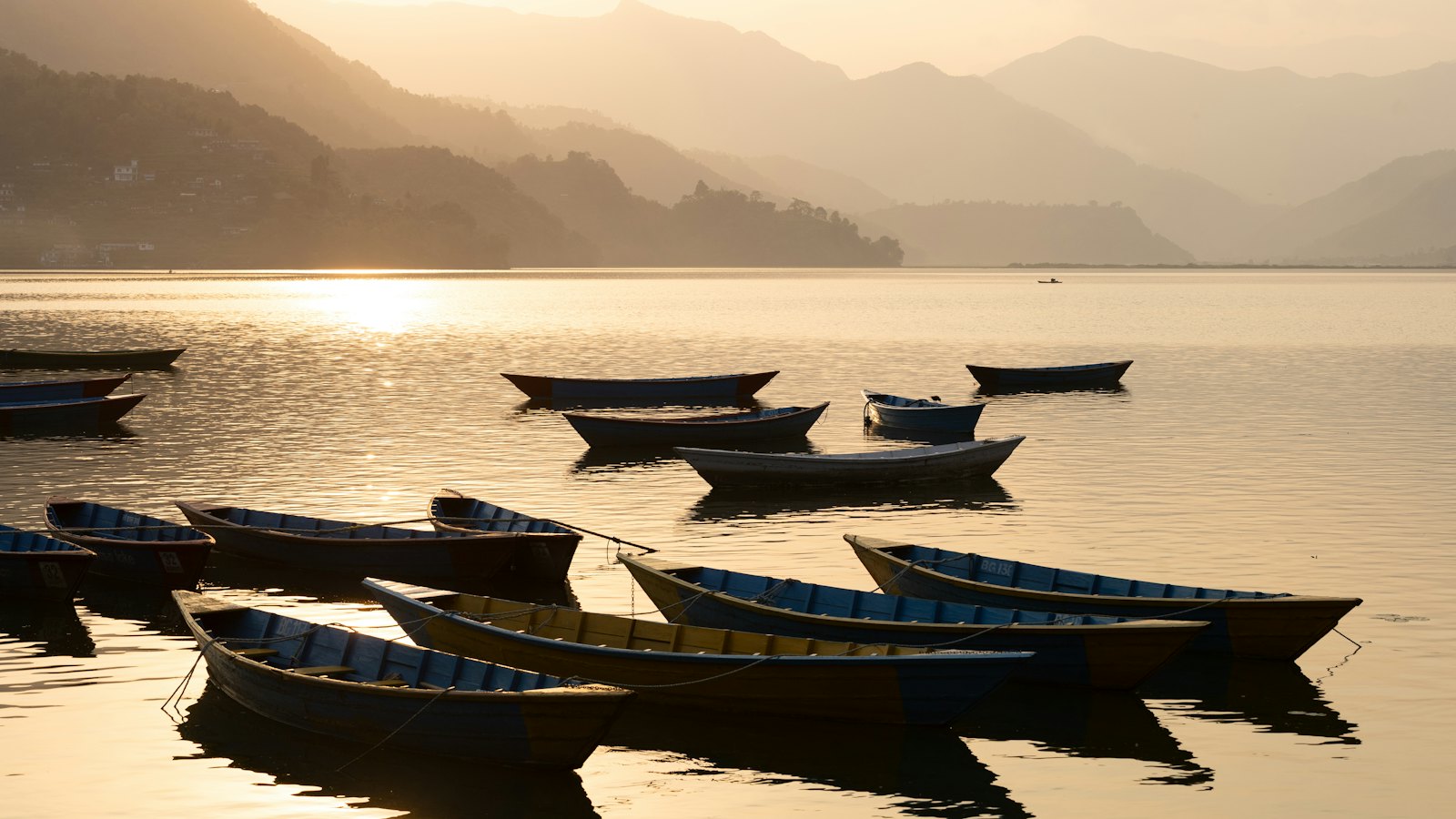
Pokhara pairs the calm waters of Phewa Lake with a skyline of Himalayan peaks, including the distinctive fishtail shape of Machhapuchhre. Malaysians usually arrive after connecting through Kathmandu, then settle into a much gentler rhythm around Lakeside. The city works equally well as a comfortable stop before an Annapurna trek or as a holiday in its own right, with sunrise viewpoints, boating, museums, caves and cafés facing the hills. This guide covers the journey from KLIA, airport transfers, practical costs, halal considerations, seasonal weather and a realistic itinerary for enjoying Pokhara without rushing from one attraction to the next.
Getting there from Kuala Lumpur
As of September 2026, there is no listed nonstop service from KLIA to Pokhara or its usual international gateway, Kathmandu. Most journeys therefore require at least one international connection before reaching Nepal. Check the operating terminal carefully because the KLIA Terminal 1 or Terminal 2 departure point depends on the carrier and ticket combination.
A practical route is to fly from Kuala Lumpur to Kathmandu with one stop, then continue to Pokhara by a domestic flight or overland. One-stop travel to Kathmandu commonly takes roughly 8 to 14 hours, depending on the connection. The domestic flight to Pokhara takes about 25 to 30 minutes in good conditions, while the road journey usually needs 7 to 10 hours and can take longer after rain, during roadworks or in heavy traffic.
At the time of writing, allow an indicative RM 900 to RM 1,800 one-way for the complete journey. A confirmed fare for this route was not available at the time of writing, so compare separate and through-ticket combinations. A through-ticket offers better protection if the first flight is delayed, while separate tickets need a generous Kathmandu buffer.
Pokhara Airport to Lakeside
Pokhara International Airport is east of the main tourist area. Lakeside is normally about 20 to 35 minutes away by road, although traffic can stretch the journey. For quick mental conversions, roughly NPR 35 equals RM 1, but exchange rates move.
- Prepaid or regular taxi: The simplest option with luggage. Expect approximately NPR 800 to NPR 1,500 (RM 23 to RM 43) to Lakeside, depending on the exact location, traffic and negotiation. Confirm the total price before entering if the driver is not using a meter.
- Accommodation transfer: Many guesthouses can arrange a pickup. It often costs around NPR 1,000 to NPR 2,000 (RM 29 to RM 57), but the clear meeting point can be useful after a long journey.
- Local bus: Public buses operate on nearby roads, but there is not always a straightforward tourist-friendly terminal service. This is the cheapest choice at roughly NPR 50 to NPR 150 (RM 1.50 to RM 4.50), with extra walking and possible changes.
Keep your accommodation name and map pin saved offline because similar property names can cause confusion.
Where to stay in Pokhara
Lakeside contains most visitor accommodation, but its different stretches have distinct moods. Check walking distance as well as the neighbourhood name, since the lakefront road extends farther than it first appears.
- Central Lakeside: Best for first-time visitors who want restaurants, tour desks, shops and boat access within an easy walk. It is convenient but can feel busy and noisy near popular bars.
- North Lakeside: A quieter choice for couples, remote workers and longer stays. There are still plenty of cafés and lake views, while evenings tend to be calmer than in the centre.
- Damside: Close to the southern end of Phewa Lake and useful for travellers seeking lower room rates. It has fewer tourist facilities, so short taxi rides may be necessary.
- Sarangkot: Choose this hillside area for sunrise views, fresh air and a slower retreat. It is less practical for nightly meals in Lakeside and can feel isolated without arranged transport.
Indicative nightly rates start around RM 50 to RM 100 for a simple private room. Comfortable mid-range stays generally cost RM 130 to RM 280, rising during clear-weather trekking seasons.
Things to do around Pokhara
Pokhara rewards early starts because mountain views are often clearest before clouds gather. Leave some flexibility in the schedule rather than tying every outdoor activity to one fixed morning.
- Phewa Lake: Hire a colourful wooden boat, paddle near the shore or cross towards the forested walking paths.
- Tal Barahi Temple: Visit the small island shrine respectfully, especially when religious ceremonies are underway.
- World Peace Pagoda: Walk or drive up for a wide view across the lake and towards the Annapurna range.
- Sarangkot: Arrive before sunrise for the best chance of seeing Machhapuchhre and the surrounding peaks.
- International Mountain Museum: Learn about Himalayan geography, mountaineering and Nepal's mountain communities.
- Devi's Fall: See the Pardi Khola disappear through a powerful underground channel, especially during wetter months.
- Gupteshwor Mahadev Cave: Explore the cave complex opposite Devi's Fall, using shoes with good grip on damp steps.
- Old Bazaar and Bindhyabasini Temple: Walk through a less tourist-oriented part of the city and observe local worship customs.
- Begnas Lake: Make a relaxed half-day trip for quieter water, village scenery and fish lunches.
What to eat in Pokhara
Nepali food is filling, affordable and well suited to cooler evenings. Lakeside has international menus, but small local dining rooms away from the waterfront usually offer better-value versions of everyday dishes.
Start with dal bhat, a set of rice, lentil soup, vegetables, pickle and curry that may come with refills. Momo are steamed or fried dumplings filled with vegetables, chicken or buffalo meat, so ask clearly before ordering. Thukpa is a warming noodle soup with Tibetan influence, while chow mein is a familiar and inexpensive quick meal. Sel roti, a lightly sweet ring of rice bread, is commonly eaten with tea or curry. Gundruk provides a sharp fermented-leaf flavour, and aloo tama combines potato with bamboo shoots.
Around Begnas Lake, freshwater fish is a local speciality, usually fried or served in curry. Bakeries in Lakeside sell bread, pastries and yak-cheese sandwiches, although yak products may actually be blended with cow's milk. For hygiene, choose busy places cooking food to order, drink sealed or properly filtered water and take care with raw salads.
Halal food and prayer spaces
Pokhara is manageable for Muslim travellers, but halal choices are limited compared with Kuala Lumpur and certification is not always displayed. Some restaurants describe themselves as halal or Muslim-owned, particularly around Lakeside, yet it is sensible to ask about the meat supplier, shared cooking oil and alcohol used in sauces. A sign saying no pork does not automatically mean the kitchen is halal.
Vegetarian dal bhat, vegetable momo, egg dishes and freshly cooked fish are useful fallbacks. Confirm that soups and gravies contain no meat stock, and remember that buffalo meat is common in Nepal. Pack a few familiar snacks for long drives or early departures when suitable food may be difficult to find.
Pokhara Jame Masjid, in the wider urban area away from the main lakefront, is the city's principal reference point for congregational prayer. Confirm access and prayer arrangements locally, especially for women. Do not assume that the airport, bus stops or small shopping centres have dedicated prayer rooms. Carry a compact prayer mat, use a qibla app and ask your accommodation for a clean private space. Checking listing apps and recent map reviews can help identify options, but verify claims in person.
Getting around Pokhara
Central Lakeside is easy to explore on foot, although pavements can be uneven and roadside traffic requires attention. Pokhara has no tourist transit card or rail network, so visitors rely on local buses, taxis, walking and hired vehicles.
Local buses and shared vans are inexpensive, often around NPR 30 to NPR 100 (RM 1 to RM 3) for an urban trip. Routes and vehicle signs may be difficult for newcomers to interpret, so ask the conductor and keep small notes ready. Taxis are more convenient for the World Peace Pagoda, museums and early Sarangkot departures. Short urban journeys commonly cost around NPR 300 to NPR 700 (RM 9 to RM 20), while a return excursion with waiting time should be agreed in advance.
Grab does not operate in Nepal. Local ride-hailing services may appear in Pokhara, but coverage, vehicle supply and payment options can change, so check the app after arrival and keep cash for ordinary taxis. Bicycles and scooters are widely offered for hire, though road conditions, dust, unfamiliar traffic and limited lighting make them best for confident riders. An international driving permit and appropriate licence may be required.
A four-day Pokhara itinerary
- Day 1: Check into Lakeside, recover from the journey and walk along Phewa Lake. Take a late-afternoon boat ride if conditions are calm, then have an early dinner while watching the hills change colour.
- Day 2: Leave before dawn for Sarangkot, allowing extra time in case of traffic. Return for breakfast, visit the International Mountain Museum and continue to Devi's Fall and Gupteshwor Mahadev Cave. Keep the evening free for Lakeside.
- Day 3: Cross or circle the lake and continue towards the World Peace Pagoda. The walk involves slopes and steps, so take water and proper shoes. Return by taxi or boat where available, then explore the quieter northern end of Lakeside.
- Day 4: Make a half-day trip to Begnas Lake for a gentler setting and lunch, or use the day for paragliding when conditions and local operations permit. Travellers continuing to the Annapurna region should instead reserve this day for permits, equipment checks and a briefing with their trekking operator.
Mountain weather changes quickly, so swap outdoor days when visibility is poor.
Money, SIM cards and practical tips
Nepal uses the Nepalese rupee (NPR). A convenient rough rate is NPR 35 to RM 1, but check the current conversion before spending. Cash remains important for small restaurants, taxis, boats, buses and rural stops. Cards are accepted at many larger Lakeside businesses, sometimes with a surcharge, while DuitNow QR is not a local payment method. Use established bank ATMs, keep withdrawal receipts and carry smaller notes.
Local prepaid SIMs are sold after identity registration, and an eSIM arranged before departure can simplify arrival. Coverage is generally good in Pokhara but becomes less dependable in mountain areas. Nepal commonly uses plug types C, D and M, with 230V electricity, so Malaysians should pack a universal adaptor.
Tipping is appreciated rather than compulsory in ordinary restaurants, although guides, porters and drivers generally expect a fair gratuity for good service. Common annoyances include inflated taxi quotes, unofficial trekking offers and pressure to buy tours immediately. Compare written inclusions, use properly registered trekking operators and confirm insurance for hiking or adventure sports. Avoid walking alone on poorly lit lakeside paths late at night, and protect valuables in crowded transport.
Before you go
- Best time to go
- October to November and March to April offer Pokhara's best balance of clearer mountain views and comfortable outdoor weather. Autumn follows the monsoon, bringing cleaner air, popular trekking conditions and higher room demand. Spring is warmer, with flowering hillsides, although afternoon haze can obscure the peaks. December to February brings cool, often crisp mornings and cold nights, while June to September is wet, humid and prone to cloud, slippery paths and road delays. Dashain and Tihar can affect transport and business schedules in autumn. Malaysian school holidays around November and December overlap with a popular travel period, so reserve flights, domestic connections and well-located rooms earlier. Sunrise visibility is never guaranteed, even during the preferred months.
- Visa for Malaysians
- As of September 2026, Malaysian passport holders need a tourist visa for Nepal and can obtain one on arrival for stays of up to 90 days. Fees are US$30 for 15 days, US$50 for 30 days or US$125 for 90 days, roughly RM 120, RM 205 or RM 510. Complete the Department of Immigration's Nepali Port form within 15 days before landing, or use an airport kiosk, then pay at the bank counter by card or cash, preferably US dollars. An eVisa paid online by card is also available. Tourist visas permit multiple entries, total stays are capped at 150 days per year, and children under 10 receive a free visa. Your passport needs at least six months' validity. Confirm current requirements on immigration.gov.np before you fly.
- Honest budget guide
- Budget RM 180 to RM 420 per person per day in Pokhara, excluding international and domestic flights. A confirmed fare for this route was not available at the time of writing, so an indicative one-way journey from Kuala Lumpur may cost around RM 900 to RM 1,800 with connections. Simple private rooms are roughly RM 50 to RM 100 nightly, while comfortable mid-range accommodation costs around RM 130 to RM 280. Allow RM 35 to RM 90 daily for food and RM 15 to RM 60 for ordinary local transport, with more for private excursions or adventure activities. A typical four-day trip may total approximately RM 2,200 to RM 4,500 per person including return travel, accommodation and basic sightseeing. These figures are indicative and rise during peak trekking months.
Frequently asked questions
Do Malaysians need a visa for Pokhara, Nepal?
Yes. As of September 2026, Malaysian passport holders need a Nepal tourist visa but can obtain it on arrival. The choices are US$30 for 15 days, US$50 for 30 days or US$125 for 90 days. An online eVisa is also available. Passports need six months' validity. Confirm the latest requirements on immigration.gov.np before departure.
Is there a direct flight from Kuala Lumpur to Pokhara?
No nonstop service from KLIA to Pokhara or its usual gateway, Kathmandu, is listed as of September 2026. Most travellers make at least one international connection, reach Kathmandu and then continue by a short domestic flight or a 7 to 10-hour road journey. Check the KLIA terminal shown on your booking because it depends on the operating carrier.
How many days are enough for Pokhara?
Three full days cover Phewa Lake, Sarangkot, the World Peace Pagoda, the mountain museum and the cave area at a comfortable pace. Four days allow a trip to Begnas Lake or a weather buffer for mountain views. Add extra nights if Pokhara is your preparation point for an Annapurna trek or if you plan adventure activities.
What is the best month to visit Pokhara?
October and November are excellent for clearer mountain views, dry walking conditions and comfortable temperatures, but they are also busy. March and April offer warmer days and spring colour, with a greater chance of haze. Winter can produce crisp mornings but cold nights. The June to September monsoon brings frequent rain, cloud and possible transport delays.
Is Pokhara Muslim-friendly?
Pokhara is possible with planning, although certified halal food and dedicated prayer facilities are limited. Ask restaurants whether meat is halal, whether cooking oil is shared and whether sauces contain alcohol. Vegetarian dal bhat, vegetable momo, eggs and freshly cooked fish are practical alternatives. Pokhara Jame Masjid is the main local prayer reference, and carrying a travel prayer mat is useful.
Can I use Grab in Pokhara?
No, Grab does not operate in Nepal. Pokhara visitors mainly use regular taxis, local buses and walking. Local ride-hailing services may be available, but coverage and payment arrangements can change. Keep enough cash, confirm taxi prices before departure and ask your accommodation for a reasonable fare estimate when arranging an early airport or Sarangkot journey.
How much money do I need for four days in Pokhara?
A practical total is around RM 2,200 to RM 4,500 per person, including indicative return travel from Kuala Lumpur, four nights, meals, local transport and basic sightseeing. Adventure sports, private drivers, trekking equipment and premium accommodation increase the cost. Within Pokhara itself, budget travellers can manage on roughly RM 180 a day, while a comfortable mid-range budget reaches RM 420.
Should I fly or travel by road from Kathmandu to Pokhara?
Flying takes about 25 to 30 minutes and saves considerable time, but mountain weather can cause delays. Travelling by road usually takes 7 to 10 hours and may be slower during rain, roadworks or traffic, though it costs less and shows more countryside. Avoid scheduling a tight international connection immediately after either option, and keep a buffer in Kathmandu.
Jom pergi
Ready to go Pokhara? Compare available flights and hotels for your dates. Check baggage, cancellation terms and the final total on the booking provider before paying.






