




On this page12 sections
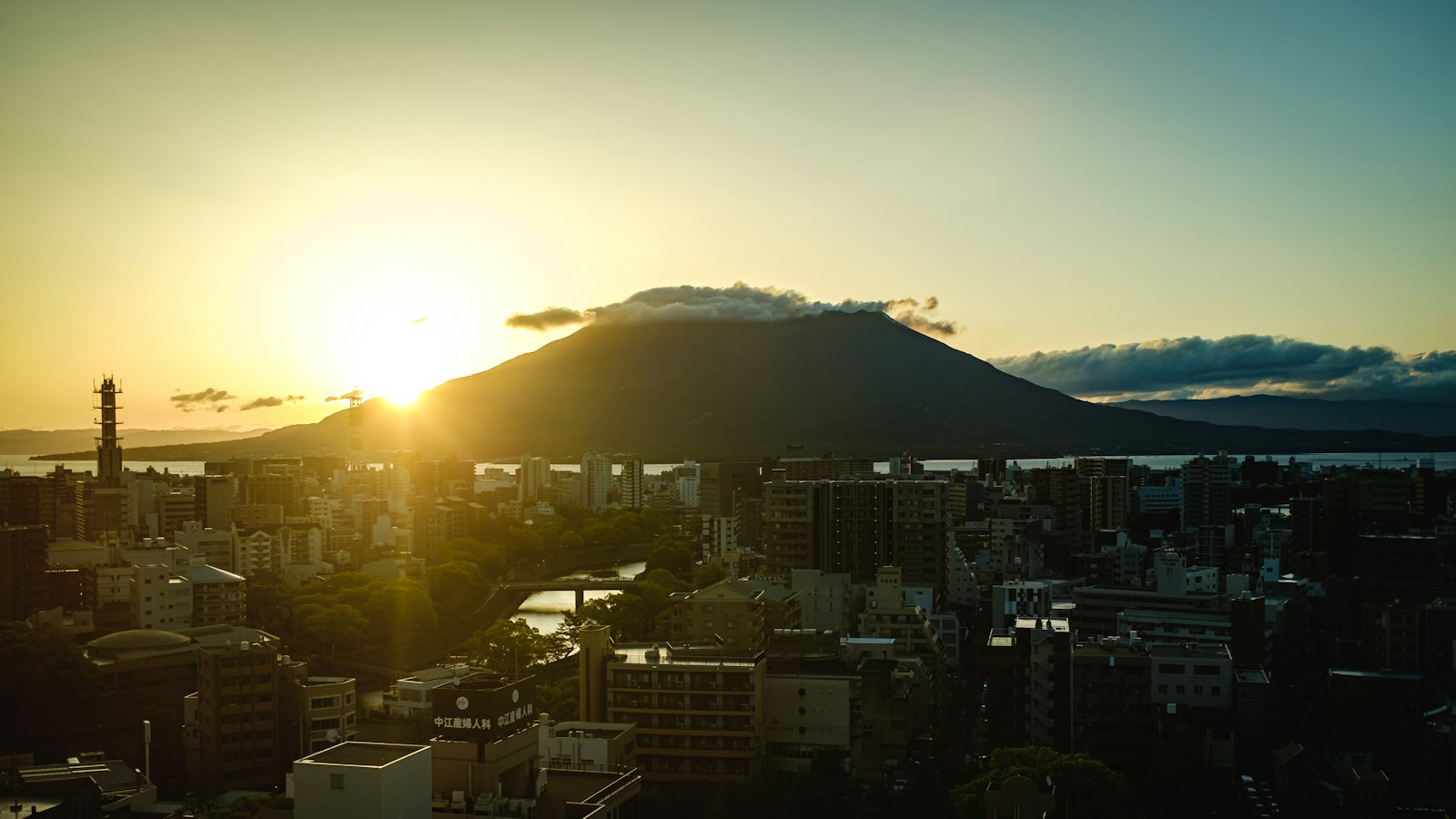
At Kyushu's southern tip, Kagoshima looks across Kinko Bay toward the active Sakurajima volcano. The city combines regular ferry journeys, volcanic bathing, subtropical gardens and traditions inherited from the old Satsuma domain. Malaysian visitors will find it calmer and easier to navigate than Japan's largest cities, though arranging halal meals takes forethought. This guide covers connecting flights from KLIA, transfers from the airport, convenient districts, worship options and estimated spending in ringgit. It also suggests a comfortable way to experience both the city and Sakurajima without packing every hour with activities.
Getting There from KLIA
No nonstop Kuala Lumpur to Kagoshima service appears in schedules checked for September 2026. A typical itinerary therefore includes one or more connections, often at Fukuoka, Tokyo or Seoul. If Japanese immigration is completed at the connecting airport, allow enough time for entry procedures, baggage requirements and any terminal transfer. Confirm at KLIA whether your checked bags will continue automatically to Kagoshima.
Amaboxly's search, updated on 21 September 2026, found a lowest one-way price of RM 2,351 on a one-connection combination of Malaysia Airlines and JAL. The median one-way result was RM 2,369. The lowest observed options grouped by connecting city were RM 2,388 through Fukuoka, RM 3,463 through Tokyo and RM 4,605 through Seoul. Airfares are fluid, so treat these results as dated examples rather than guaranteed prices.
Flying time is commonly around 7 to 10 hours, while connections can extend the complete journey to approximately 10 to 16 hours. Malaysia Airlines normally operates from KLIA Terminal 1. Use the terminal stated on the latest itinerary because airlines and operating arrangements can change. Terminal 1 and Terminal 2 have no airside link, making a landside transfer and additional time necessary when a booking uses both.
Getting There from Kagoshima Airport
The airport serving Kagoshima stands near Kirishima, about 30 kilometres northeast of the central districts. Trains do not call at the terminal. The ringgit estimates below use a planning conversion of approximately 100 yen to RM 2.80.
- Limousine bus: For most arrivals, this is the simplest transfer. Services run to Kagoshima-Chuo Station and Tenmonkan, with journeys generally lasting 40 to 60 minutes according to road conditions. Expect a fare near 1,400 to 1,600 yen, or RM 39 to RM 45. Obtain the required ticket from a terminal counter or vending machine before joining the bus.
- Taxi: Reaching central accommodation can take between 35 and 50 minutes. An indicative meter total is 11,000 to 14,000 yen, equivalent to about RM 310 to RM 390, excluding possible tolls and nighttime surcharges. Sharing may justify the expense for a family carrying substantial luggage.
- Hire car: Driving is valuable for itineraries covering Kirishima, remote onsen areas or the Satsuma Peninsula. Traffic keeps left, as in Malaysia. Visitors ordinarily need an International Driving Permit together with their Malaysian driving licence.
- Other buses: Airport routes also reach Kirishima and selected railway stations. Unless your destination lies outside Kagoshima city, transferring from bus to rail is usually less convenient than taking the direct limousine service.
Where to Stay in Kagoshima
Although Kagoshima stretches along the shore, trams and buses connect the principal visitor districts. Select accommodation around the journeys you expect to make, especially if you have an early departure or several regional excursions.
- Kagoshima-Chuo Station: This practical base suits newcomers, households with children and travellers planning rail journeys toward Ibusuki, Kirishima or other parts of Kyushu. Airport buses stop nearby, and the surrounding complex supplies shops, restaurants and everyday services.
- Tenmonkan: Stay here for covered arcades, plentiful evening dining and more activity after dark. Central attractions are accessible, although an early morning train is easier to catch from the station district.
- Waterfront: Lodging near the ferry and aquarium gives quick access to promenades and open views in Sakurajima's direction. The immediate area becomes comparatively subdued once daytime facilities close.
- Shiroyama: Elevated hotels appeal to couples and visitors seeking wide panoramas over Kagoshima and its volcano. The peaceful setting comes with a drawback: carrying suitcases uphill is uncomfortable, so arrange transport.
Basic business hotels may begin around RM 160 to RM 260 for one night. A more comfortable mid-range room frequently falls between RM 300 and RM 500. Weekends, national holiday periods and popular travel dates can push those amounts higher.
Things to Do in Kagoshima
- Cross Kinko Bay by ferry: The brief voyage to Sakurajima opens up excellent water and volcano perspectives. Departures continue across the day, allowing the island to fit comfortably into half a day.
- Discover Sakurajima: Use designated observation points, compact lava walks and seaside footbath facilities. Ash fall and cloud can alter both visibility and outdoor conditions.
- Tour Sengan-en: Once associated with the Shimadzu family, this elegant garden places Sakurajima within its borrowed landscape. Displays also introduce Satsuma history and early industry.
- Reach Shiroyama Observatory: From above the centre, visitors can survey Kagoshima, the bay and the volcanic cone. Walk through the shaded approach or use a bus if steep ground is unsuitable.
- Enter the Museum of the Meiji Restoration: Multimedia exhibits describe how figures from Kagoshima influenced Japan's political, social and industrial changes.
- Explore Reimeikan: Located on the former Kagoshima Castle site, the museum presents the prefecture through archaeology, cultural objects and historical collections.
- Wander through Tenmonkan: Its sheltered shopping lanes, snack counters and department store food floors are particularly useful during rain or noticeable ash fall.
- Spend time at Kagoshima City Aquarium: Regional marine environments shape the displays, providing families with a worthwhile indoor alternative.
- Excursion to Ibusuki: Reserve most of a day for this coastal destination and its geothermal sand baths. Both trains and buses connect it with Kagoshima.
What to Eat and Ingredient Cautions
Food in Kagoshima tends to be substantial, gently sweet and strongly connected to southern Kyushu produce. The celebrated local black pork, called kurobuta, is prepared as cutlets, shabu-shabu and braised dishes. Kagoshima tonkotsu refers to pork ribs cooked with miso and sweet potato shochu, rather than Fukuoka's creamy ramen soup. Muslim diners should avoid these pork dishes unless a trustworthy halal adaptation is explicitly available.
Satsuma-age is fried fish paste, but its recipe can include mirin or other questionable flavourings. Kibinago, a small fish marked by a silver stripe, may arrive grilled or raw. Another regional speciality is uncooked chicken. Anyone worried about foodborne illness should choose chicken that has been thoroughly heated instead. For something sweet, order shirokuma, a mound of shaved ice decorated with fruit, condensed milk and syrup. Ask about gelatine and flavourings containing alcohol.
Tenmonkan offers the greatest variety of restaurants and dessert businesses. The Kagoshima-Chuo complex works well for fast meals, boxed food and edible souvenirs. Food halls let visitors inspect packaged items, although most labels use Japanese. Sweet potato shochu is a defining Kagoshima product, and cooks sometimes add it to sauces, sweets or marinades. A harmless-looking main ingredient therefore does not guarantee a suitable finished dish.
Halal Meals and Daily Prayers
Muslim facilities in Kagoshima are fewer than those found in Fukuoka, Osaka or Tokyo. Terms such as seafood, vegetarian and no pork do not establish halal suitability. Broth, mirin, sake, sauces and equipment shared with non-halal cooking can still present concerns. Listings and certificates may become outdated, so ask the establishment about its present procedures before visiting.
Kagoshima Mosque is the main local place for Muslim worship. Contact it beforehand to check opening access and prayer arrangements, particularly if travelling a significant distance. At large commercial buildings, visitor desks or transport facilities, politely ask whether staff can offer a temporary quiet area. A permanent prayer room should not be presumed at Kagoshima Airport. When operations allow, airport personnel might be able to identify a private space. A small prayer mat and a qibla application that works offline are useful additions to your bag.
Halal Navi and Muslim-oriented directories can identify possibilities, but confirm certification, meat suppliers and kitchen separation with each business. HappyCow is helpful for discovering meat-free dishes, not for proving halal status. Practical backup foods include fruit, plain rice, eggs, simply grilled seafood without sake and sealed products whose ingredients have been checked. Those following strict standards should bring several shelf-stable meals from Malaysia.
Getting Around Kagoshima
Short walks combined with public transport are sufficient for most sightseeing in central Kagoshima. Two municipal tram lines pass through Kagoshima-Chuo, Tenmonkan and sections near the waterfront. One journey generally costs about 170 to 200 yen, approximately RM 5 to RM 6. A sightseeing pass may save money on a day involving repeated rides, but verify its current price and eligible services at an information desk.
Buses provide access to Sengan-en, Shiroyama and districts beyond the streetcar network. Boarding and payment rules differ among operators, so observe posted instructions and keep small-denomination yen available. Acceptance of nationwide or regional transit cards is inconsistent. Look for the actual card symbols displayed on the vehicle instead of assuming that Suica or another stored-value card is valid. JR rail services are more relevant to Ibusuki and other day trips than to movement around the centre.
Grab cannot be relied upon for a Kagoshima ride. Find an authorised rank, request that hotel staff telephone a cab, or test a taxi application designed for Japan if its service map includes the city. Metered taxis are orderly and comfortable, although longer urban journeys quickly become costly. The Sakurajima ferry transports people on foot as well as bicycles and motor vehicles, with a different charge applying to each type.
Four-Day Kagoshima Itinerary
- Day 1: Ride the airport bus into Kagoshima and settle into a hotel near Tenmonkan or Kagoshima-Chuo. Browse the central covered lanes, then go to Shiroyama Observatory if conditions provide a clear view across to Sakurajima.
- Day 2: Board a morning ferry for Sakurajima. Choose an observation area, walk over an accessible lava landscape and rest at a coastal footbath. After returning, spend the remaining afternoon beside the harbour or inside the aquarium, followed by dinner around Tenmonkan.
- Day 3: Arrive at Sengan-en with ample time for its grounds, residence and historical material. Later, select Reimeikan for wider regional heritage or the Museum of the Meiji Restoration for the story of national modernisation.
- Day 4: Head south to Ibusuki and experience its naturally heated sand, or travel toward Kirishima for wooded landscapes, shrines and onsen. Regional departures are less frequent than city transport, so identify the final practical return service before setting out.
With three complete days, travellers can see the main urban attractions and devote meaningful time to Sakurajima. A fourth creates breathing room for one journey beyond the city. Keep the volcano-related part of the schedule movable because rain, low cloud or airborne ash may conceal the landscape.
Money and Practical Travel Tips
The local currency is the Japanese yen. For rough budgeting, 100 yen may be treated as RM 2.80, but the live exchange rate will fluctuate. Hotels, major retailers and railway facilities often accept cards. Cash is still helpful at independent restaurants, on certain buses, in lockers and at older machines. Malaysia's DuitNow QR is not a general payment method in Japanese shops, so travel with yen and a usable physical card.
For an unlocked handset, a Japan data eSIM is commonly the most convenient connection. Tourist SIM cards are another option, while a pocket Wi-Fi device can suit families using several phones. Before departing Kuala Lumpur, save offline maps, Japanese language resources and essential timetable details. Electrical sockets use Type A connectors with two flat blades, and the supply is 100 volts. Malaysian Type G plugs require an adaptor.
Service staff do not expect tips. Kagoshima has a generally safe reputation, though ordinary care with belongings remains appropriate and unsolicited nightlife invitations are best ignored. Volcanic ash is the unusual local concern. Review municipal notices, protect lenses and other sensitive equipment, and carry a mask if ash irritates your breathing. Never rub particles into your eyes. Authorities may alter outdoor or ferry access during dangerous weather or increased volcanic restrictions. Typhoons are possible in late summer and early autumn, making flexible reservations worthwhile.
Before you go
- Best time to go
- Autumn offers Kagoshima's most balanced conditions. October and November usually bring reduced humidity, moderate temperatures and agreeable weather for walking outdoors. March through May provides another comfortable window, though Japan's Golden Week from late April into early May increases domestic visitor numbers and accommodation charges. Summer feels hot, damp and rainy. Typhoons may interfere with flights, ferries and rail services from the later part of summer into autumn. Winter is cooler but normally gentler than in northern Japan, and the upper part of Sakurajima occasionally receives snow. Flight demand through Japan's larger gateways can rise during Malaysian school breaks, notably in June and December. Eruptive activity and drifting ash can occur in every season, meaning a perfectly visible volcano can never be promised. Review the latest forecast, transport updates and volcanic warnings shortly before any excursion.
- Visa for Malaysians
- As of September 2026, Malaysians can enter Japan without a visa. Malaysian citizens holding a chip-enabled e-passport that meets ICAO standards can visit Japan as temporary visitors for up to 90 days. This covers holidays, brief business visits and seeing relatives, but not paid work. Travellers without a qualifying e-passport should get a visa before leaving Malaysia. The passport must remain valid through the final day of the visit. Japanese border officers generally take a facial image and fingerprints during entry processing. Visit Japan Web is optional and can create immigration and customs QR codes as an alternative to paper declarations. JESTA, Japan's planned online travel authorisation, is not yet in force. Confirm the current rules with Japan's Ministry of Foreign Affairs or the Embassy of Japan in Malaysia before you book.
- Honest budget guide
- A practical daily allowance is RM 300 to RM 600 per traveller, before airfare. Amaboxly's dated search showed RM 2,351 as the lowest one-way Kuala Lumpur fare, combining Malaysia Airlines and JAL with one connection, and RM 2,369 as the median. Simple accommodation may cost RM 160 to RM 260 nightly, while a comfortable middle-category room commonly reaches RM 300 to RM 500. For each day, consider assigning RM 90 to RM 170 to meals, RM 25 to RM 60 to transport within the area, and RM 40 to RM 120 to tickets or outings. Five days could amount to about RM 6,300 to RM 8,800 for one person when two one-way air tickets cost roughly the scanned figure and a mid-range room is shared. Private cabs, shopping and upscale onsen hotels require more. These estimates are planning aids, and Japanese public holidays can produce substantial increases.
Frequently asked questions
Do Malaysian citizens need a visa to visit Kagoshima?
As of September 2026, Malaysians holding a chip-enabled e-passport that meets ICAO standards can enter Japan as a temporary visitor without a visa and stay for up to 90 days. This does not cover paid work. The passport must stay valid until departure. Confirm the current rules with Japan's Ministry of Foreign Affairs or the Embassy of Japan in Malaysia before you book.
Can I fly nonstop from Kuala Lumpur to Kagoshima?
Schedules examined for September 2026 show no nonstop KUL to KOJ route. Travellers generally connect once or more, frequently through Fukuoka, Tokyo or Seoul. One Amaboxly result paired Malaysia Airlines with JAL for RM 2,351 one way. Before purchasing, examine the layover length, terminal details, immigration point and checked-baggage arrangement.
How long should I spend in Kagoshima?
Allow three complete days for the city's leading sights, Sengan-en and an unhurried Sakurajima visit. Four days creates space for Ibusuki or Kirishima without compressing the central programme. Travellers primarily interested in onsen may appreciate a fifth day because services outside the city operate less often than urban trams and buses.
How suitable is Kagoshima for Muslim visitors?
A Muslim traveller can visit comfortably with preparation, but the selection of certified halal businesses is small. Kagoshima Mosque is the principal worship location, and prayer facilities should be confirmed rather than expected elsewhere. Ask about alcohol, pork-derived stock and shared equipment when ordering food. Bringing several packaged Malaysian meals provides a dependable reserve.
Which month has the best weather in Kagoshima?
October and November are strong choices because temperatures are usually pleasant and humidity has eased. April can also be appealing, but the Golden Week holiday near the end of April and start of May raises crowds and room rates. Summers are humid, rainy and vulnerable to typhoons. In any season, cloud or ash may block views of Sakurajima.
What should I budget for a five-day visit?
Plan on approximately RM 6,300 to RM 8,800 each if the two flight directions are priced close to Amaboxly's RM 2,351 one-way finding and two people divide the cost of a mid-range room. Without international airfare, a daily range of RM 300 to RM 600 can cover lodging, meals, urban travel and attractions. Purchases, long taxi rides and luxury hot-spring stays sit outside that estimate.
Does Grab operate reliably in Kagoshima?
Grab is not a reliable default for ordering transport in Kagoshima. Use the taxi queues at stations and major sights, have your hotel summon a vehicle, or see whether a Japan-specific taxi application covers your location. Walking, trams and municipal buses handle most central journeys at lower cost. Carry some cash because individual taxis may support different payment methods.
Is visiting Sakurajima considered safe?
Sakurajima remains active, while monitored tourist zones function under official restrictions and safety guidance. Read current alerts before crossing by ferry, and never pass a barrier or ignore a closure. Fine ash can irritate lungs and damage equipment, so pack water, cover electronics and use a mask if sensitive. Access may remain open even when cloud or ash completely conceals the summit.
Jom pergi
Ready to go Kagoshima? Compare available flights and hotels for your dates. Check baggage, cancellation terms and the final total on the booking provider before paying.






