




On this page12 sections
Kolkata suits travellers who like cities with a vivid identity. Colonial landmarks share busy streets with markets, tea stalls and occasional hand-pulled rickshaws, while an unhurried conversation can easily outlast a meal. Malaysians can reach the city on a direct flight from KLIA, and everyday expenses remain relatively affordable. Bengali cuisine also extends well beyond familiar curry dishes. This guide covers visas, airport transfers, accommodation areas, halal dining, transport and a manageable four-day itinerary. See Victoria Memorial and Howrah Bridge, but reserve time for Hooghly ferries, College Street booksellers, Kumartuli clay studios and a generous selection of mishti.
Direct flights from Kuala Lumpur
As at September 2026, both AirAsia and Malaysia Airlines operate nonstop services between Kuala Lumpur International Airport and Kolkata. AirAsia normally leaves from KLIA Terminal 2, whereas Malaysia Airlines uses KLIA Terminal 1. Verify the terminal printed on the latest booking record, since correcting a terminal mistake shortly before departure requires an inconvenient airport transfer.
The nonstop trip generally lasts close to four hours, although air traffic and wind conditions affect the actual duration. Local time in Kolkata is two hours and 30 minutes behind Malaysia. Consequently, your body may register an evening arrival as considerably later than the clock does. Flights land at Netaji Subhas Chandra Bose International Airport, identified by the code CCU, to the north-east of central Kolkata.
Amaboxly's September 2026 search found a direct AirAsia seat from RM565 one way on 10 November 2026. Treat this as a dated example, not a promised price. Checked luggage, food and seat reservations can make a budget ticket notably dearer. Compare complete checkout totals with Malaysia Airlines if baggage is necessary. Connections through Bangkok, Dhaka or another Indian city occasionally appear, but a stop rarely makes sense for such a short route.
Reaching Kolkata from the airport
The airport lies approximately 15 to 20 kilometres from the central districts, with the precise distance determined by your hotel. Road conditions matter more than kilometres. A quiet drive may take around 40 minutes, but congestion can extend it beyond an hour. For rough mental arithmetic, RM1 is about 19 Indian rupees, subject to currency movement.
- Uber or Ola: These apps are familiar and convenient. Expect roughly 500 to 900 rupees, about RM26 to RM47, for many central destinations, excluding possible tolls, parking and demand surcharges. Use the stated collection zone and check the registration before boarding.
- Airport prepaid taxi: Pay through the authorised booth or join its official line. A typical central journey also falls near 500 to 900 rupees. Retain the slip and establish whether the quoted amount covers tolls.
- Traditional yellow cab: The famous Ambassador-style vehicles remain available. Request the meter or settle an exact amount before the car moves.
- Bus: Services to major urban stops commonly cost 50 to 150 rupees, about RM3 to RM8. Savings come with slower travel and little convenience for bulky bags.
After dark or on a first arrival, an app booking or official prepaid vehicle is the easiest option.
Where to stay in Kolkata
Kolkata covers a large area, and selecting a sensible base prevents traffic from consuming the holiday. New visitors benefit most from staying near key central sights or within easy reach of a metro station.
- Park Street area: A strong first-visit choice for dining, evenings out and straightforward access to the Maidan, museums and Victoria Memorial. Rates can exceed those in budget districts, but reduced journey time has real value.
- Sudder Street and New Market: Appropriate for lower-cost rooms, shopping and a central address. Conditions differ sharply between properties, so read recent guest reports and verify air-conditioning, hot water and lift availability.
- BBD Bagh and Esplanade: Useful for buses, markets, riverside access and historic civic buildings. Office activity dominates daytime hours, while some streets become subdued at night. Select a reputable hotel beside a well-lit thoroughfare.
- Park Circus or Ballygunge: These south-central and southern districts work well for families, returning visitors and Muslims who want numerous halal choices nearby. North Kolkata excursions will require more time.
Salt Lake offers orderly surroundings and suits business travel, although its atmosphere is less rewarding for a brief heritage-focused stay.
Things to do in Kolkata
- Victoria Memorial: Tour the galleries for historical context, then stroll through the spacious grounds surrounding the marble landmark. Morning brings milder temperatures.
- Maidan: Experience the vast urban green where football, informal cricket and grazing horses create a constantly changing scene.
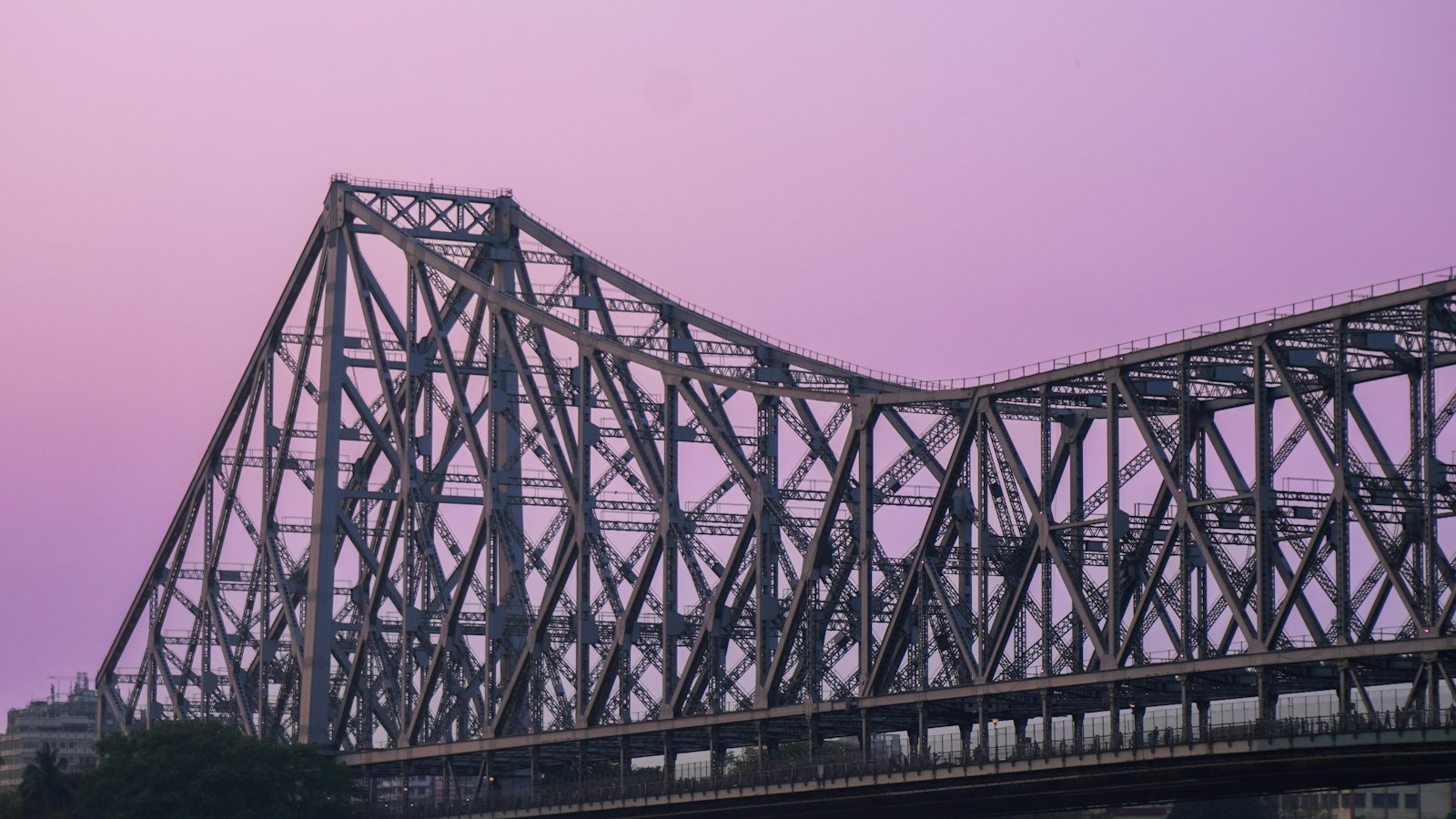
- Howrah Bridge: Admire its scale from a Hooghly boat or the riverbank, which is more enjoyable than viewing it amid road traffic.
- Mullick Ghat Flower Market: Arrive in the morning for garlands and brilliant piles of blooms. Stay clear of porters moving large loads and protect your camera.
- Indian Museum: Set aside several hours for sculpture, archaeology, Egyptian material and natural-history collections at this important institution.
- Kumartuli: Observe craftspeople forming festival figures from clay in the traditional potters' district. Obtain permission before photographing workers or entering studios.
- College Street: Search pavement stalls for academic works and Bengali writing, then stop for tea in Kolkata's celebrated literary quarter.
- St Paul's Cathedral: Visit this peaceful Gothic-style church close to Victoria Memorial and wear respectful clothing.
- South Park Street Cemetery: Wander among shaded, weathered memorials dating from the eighteenth and nineteenth centuries.
Opening schedules differ among attractions and may change on holidays, so verify the day's arrangements locally.
Bengali dishes and sweet treats
Bengali food combines rice, vegetables, mustard and freshwater fish in preparations that are often more delicate than newcomers anticipate. Try macher jhol, a lighter fish gravy eaten with rice, or shorshe ilish, which pairs hilsa with mustard. Kosha mangsho features slowly cooked mutton in a rich sauce. The Kolkata version of biryani is distinguished by fragrant rice, meat and a substantial potato. Regional menu vocabulary can be unfamiliar, so confirm the kind of meat before placing an order.
Popular quick bites include crisp telebhaja, puffed-rice jhal muri, spiced-potato puchka with sour water, and filled kathi rolls. Prefer active vendors whose ingredients turn over quickly. Anyone prone to stomach trouble should decline raw toppings, unverified ice and water that has not been safely treated.
Dessert deserves its own outing. Sample set mishti doi, delicate sandesh and syrup-soaked rosogolla at one of the many sweet shops in central or older northern districts. Park Street and New Market cover an extensive range of Indian and Bengali restaurants, while Gariahat combines grazing opportunities with market shopping. For a classic Bengali meal, use recent local reviews and choose a busy dining room with an understandable menu. Several shared dishes are usually more rewarding for families or small groups than separate individual orders.
Halal meals and places to pray
Muslim visitors can navigate Kolkata comfortably with some advance checking. The streets around Nakhoda Masjid, particularly Zakaria Street, are renowned for breads, kebabs, biryani and desserts. Park Circus is another useful dining centre with numerous Muslim-owned establishments and can be a convenient accommodation base. Central prayer options include Nakhoda Masjid and Tipu Sultan Mosque.
Do not infer halal preparation simply because pork is absent. Ask plainly about the meat supplier and whether cooking equipment is shared. Finding Muslim ownership is often easier close to mosques, although certification and sourcing practices are not identical everywhere. Fish, eggs and Kolkata's broad vegetarian repertoire provide practical alternatives. Strict diners may also wish to question vegetarian kitchens about common utensils, even when every ingredient is alcohol-free.
Purpose-built prayer rooms cannot be expected at each shopping centre or visitor attraction. Organise the day around a mosque when possible, request a private corner from staff when necessary and pack a travel prayer mat. Airport arrangements can change, so ask the information counter for the nearest accessible quiet or prayer space after security. HalalTrip, Zabihah and Google Maps are helpful starting points, but recent comments and direct confirmation remain important.
Transport within the city
Available transport includes metro lines, buses, local trains, ferries, trams, yellow cabs and ride-hailing cars. When a line serves both ends of your trip, the metro normally avoids the worst road delays. Stations sell individual tokens, and staff can explain whichever smart-card system is currently offered. Ordinary city journeys cost only tens of rupees, keeping local travel inexpensive for Malaysian visitors.
Grab has no Kolkata service. Uber and Ola are the better-known app choices, although local platforms may also appear online. A short central ride frequently costs 120 to 300 rupees, approximately RM6 to RM16. Rain, heavy demand and gridlock can increase that figure. Select the collection point carefully because drivers may be unable to stop beside a packed market or major intersection.
A metered yellow taxi provides useful transport as well as a characterful experience. Shared auto-rickshaws tend to follow established neighbourhood routes, making them less obvious to first-time passengers. Buses cost very little but can be crowded and confusing without assistance.
Hooghly ferries combine a practical crossing with excellent bridge views. Carry low-denomination cash, build flexibility into each journey and group nearby attractions together instead of criss-crossing the city.
Four comfortable days in Kolkata
- Day 1: Check into a central hotel and keep travel light after the flight. Explore the Maidan, tour Victoria Memorial, enter St Paul's Cathedral and dine near Park Street.
- Day 2: Reach the flower market early, take in Howrah Bridge and ride a ferry across part of the Hooghly. Afterwards, examine the imposing buildings around BBD Bagh and shop at New Market. Have kebabs or biryani near Zakaria Street, including Nakhoda Masjid in the schedule when relevant.
- Day 3: Begin among the clay workshops of Kumartuli, then continue to College Street's book vendors. Choose the Indian Museum or South Park Street Cemetery for the afternoon after checking current opening arrangements. Conclude with Bengali confectionery and an easy dinner instead of another cross-city trip.
- Day 4: Shop for fabric, crafts and everyday goods at Gariahat Market. Spend the remaining hours in south Kolkata, revisit a preferred central quarter, or give children a gentle morning in a park and cafe before the airport transfer.
The highlights can fit into three complete days, although four produces a more pleasant pace. If visiting for Durga Puja, remove some conventional attractions and protect substantial time for pandals, crowds and redirected traffic.
Money and practical travel tips
The Indian rupee is the local currency. Use about 19 rupees per RM1 for preliminary calculations, then consult the current exchange rate before travelling. Keep cash for ferries, stalls, markets and inexpensive rides. Most larger retailers, malls and established restaurants accept cards. DuitNow QR is not broadly usable in India, while domestic QR services can require an account linked locally. Bring rupees, a main bank card and another means of payment.
Rules and document checks for tourist SIMs are liable to vary. An airport purchase is handy when sales are available, but arranging an eSIM in advance often provides data immediately after landing. Store offline versions of the hotel address, return reservation and visa approval. Electrical supply is 230V, with Type C, D and M sockets commonly encountered, so pack a universal plug adapter.
Gratuities are restrained and optional. Rounding a small charge or adding 5 to 10 percent is reasonable when the bill has no service fee. Apply normal urban awareness: hold phones securely in crowds, select authorised transport lines and decline unrequested guiding. Visitors may encounter exaggerated cab prices, unclear conversations about money or claims that a particular shop is mandatory. Use sealed or properly filtered drinking water, carry insect repellent and expect slower traffic in wet weather and during festivals.
Before you go
- Best time to go
- The gentlest sightseeing weather usually arrives between October and February. Conditions are generally drier and less stifling, with particularly cool mornings and evenings in December and January. Heat and humidity intensify from March through May. June to September brings monsoon downpours that may flood roads and delay traffic. Durga Puja normally occurs in September or October, following the lunar calendar, and fills Kolkata with imaginative pandals and crowds late into the night. The celebration is remarkable, but rooms, roads and major districts become much busier. Reserve accommodation early when festival dates coincide with Malaysian school breaks. November through February best suits long walks, and a light outer layer is useful on cooler nights.
- Visa for Malaysians
- Malaysian citizens must hold an appropriate Indian visa before travelling to Kolkata. As of September 2026, Malaysia's passport holders can obtain the 30-day e-Tourist Visa without a fee until 31 December 2026. It allows two entries, begins its 30-day validity upon the first arrival and is non-extendable. Submit an application solely at indianvisaonline.gov.in, no earlier than 120 days and no later than four days before arrival. There is no official express charge for this visa, so disregard imitation websites. The passport needs six months of remaining validity from the application date plus two blank pages. Bring a printed Electronic Travel Authorisation and proof of onward or return travel. The free e-Arrival Card may also be completed during the 72 hours preceding arrival through the visa portal, boi.gov.in or Indian Visa Su-Swagatam. Reconfirm everything on the official portal before departure.
- Honest budget guide
- Allow approximately RM130 to RM260 per traveller for each day spent in Kolkata. This daily estimate excludes international air travel and substantial shopping. Amaboxly's September 2026 check located a nonstop AirAsia one-way fare from RM565 before charges for luggage, seating or food. Basic private rooms can be about RM50 to RM100 nightly, while comfortable mid-range accommodation commonly reaches RM140 to RM280. Set aside roughly RM35 to RM80 each day for eating and RM10 to RM35 for metro trips, boats and some app rides. Admission costs depend on the chosen attractions, although walks and public places offer plenty for little money. Including return air tickets, shared lodging, meals, transport and several paid entries, four days may cost around RM1,700 to RM2,800 per person. Festival periods, Malaysian school breaks and last-minute reservations can push these indicative totals upward.
Frequently asked questions
Do Malaysians need a visa for Kolkata?
They do. As of September 2026, Malaysian passport holders may use India's free 30-day e-Tourist Visa until 31 December 2026. It allows two entries and no extension. File through indianvisaonline.gov.in between 120 days and four days ahead of arrival. The optional e-Arrival Card becomes available during the final 72 hours. Check the government portal again before travelling.
Is there a direct flight from Kuala Lumpur to Kolkata?
Yes. In September 2026, AirAsia and Malaysia Airlines both provide nonstop KLIA services to Kolkata, normally taking close to four hours. AirAsia uses Terminal 2 and Malaysia Airlines uses Terminal 1. Amaboxly found an AirAsia one-way example from RM565 before extras, but fares change. Confirm the latest price and departure terminal in your reservation.
How many days are enough for Kolkata?
Three complete days can cover the principal central landmarks, Howrah Bridge, the Hooghly waterfront, Kumartuli and College Street. Four days gives a far easier rhythm, with room for markets, longer meals and neighbourhood exploration. Around Durga Puja, either extend the visit by a day or shorten the attraction list because dense crowds and diversions make journeys slower.
Is Kolkata Muslim-friendly?
It is reasonably convenient, especially near Park Circus, Zakaria Street and Nakhoda Masjid, where Muslim-owned dining is more visible. Because formal halal certification is inconsistent, verify how meat is sourced and prepared. Fish and vegetarian cooking offer dependable alternatives. Not every attraction or mall supplies a prayer room, so time visits around mosques and bring a compact prayer mat.
What is the best month to visit Kolkata?
November offers a strong balance of walkable temperatures and limited monsoon disruption. December and January are also attractive, with pleasantly cooler evenings. Durga Puja creates an exceptional spectacle in September or October, depending on that year's calendar, though congestion is intense. March through May feels much hotter, and heavy seasonal rain can interfere with travel from June to September.
How much money should I budget for four days in Kolkata?
Plan on roughly RM1,700 to RM2,800 each for return airfare, a shared room, meals, local journeys and selected admission tickets. Travellers using inexpensive lodging and a promotional flight may spend less. Better hotels and frequent private cars increase the amount. Within Kolkata itself, RM130 to RM260 per person each day is a sensible guide, with festival visits generally costing more.
Can I use Grab in Kolkata?
No. Grab has no operation in Kolkata, but Uber and Ola provide app-booked cars. They are useful for airport journeys and routes poorly served by the metro. Before getting in, compare the vehicle plate and driver details with the app. Prices commonly climb during rain, festival congestion and peak periods. Ferries, the metro and properly metered yellow cabs are worthwhile alternatives.
Can Malaysians use cards and DuitNow QR in Kolkata?
Many hotels, malls, established shops and larger restaurants take international cards. Cash is still needed at market stalls, ferries, street-food vendors and for small transport charges. DuitNow QR does not function as an everyday Indian payment network, and domestic QR platforms may demand a locally connected account. Carry smaller rupee notes, a physical payment card and a separate backup.
Jom pergi
Ready to go Kolkata? Compare available flights and hotels for your dates. Check baggage, cancellation terms and the final total on the booking provider before paying.






