




On this page12 sections
- Overview
- Getting There: Kuala Lumpur to Varanasi
- Reaching Central Varanasi from the Airport
- Where to Stay in Varanasi
- Ganges Ghats, Temples and Nearby Sights
- Banarasi Food and Safe Eating
- Halal Meals and Places to Pray
- Transport Within Varanasi
- Three Days in Varanasi
- Money, Tipping and Street Awareness
- Before you go
- FAQ
Varanasi delivers an intense mix of spirituality, history and everyday life unlike anywhere else in India. Along the Ganges, sunrise bathing, ringing temple bells, funeral rites and evening fire ceremonies unfold beside crowded steps. Beyond the riverfront, twisting lanes contain silk workshops, shrines and compact snack stalls. Malaysian visitors should expect uneven walking surfaces, heavy crowds and determined touts, yet patient and respectful travellers will encounter striking scenes. This guide covers flight connections from KLIA, arrival transfers, suitable neighbourhoods, Banarasi dishes, practical halal choices, transport costs and a manageable three-day itinerary.
Getting There: Kuala Lumpur to Varanasi
No nonstop service between KLIA and Varanasi is listed as of September 2026. Travellers therefore need at least one connection. New Delhi provides the simplest gateway because several domestic services continue from there to Lal Bahadur Shastri International Airport, whose code is VNS. Lower-priced searches sometimes produce two-stop routes or tickets combining separate airlines, so examine baggage transfer rules and connection times carefully.
Amaboxly checked Kuala Lumpur fares on 21 September 2026. The lowest one-way result was RM1,987 for departure on 10 October 2026, travelling with SriLankan and Air India across two stops. The one-way median was RM2,184. Search results also included Malaysia Airlines and IndiGo combinations. Among journeys connecting through New Delhi, the cheapest displayed option cost RM2,274 one way. All quoted prices remain subject to rapid changes.
A reasonably timed connection generally requires about 10 to 16 hours, while bargain two-stop journeys can take longer. Listed international departures usually leave from KLIA Terminal 1, although passengers must verify the terminal shown on their reservation. When carriers issue separate tickets, confirm whether checked luggage continues automatically or must be collected and checked in again.
Reaching Central Varanasi from the Airport
Lal Bahadur Shastri International Airport lies approximately 25 km northwest of central Varanasi. Congestion often builds around Varanasi Junction, Godowlia and roads approaching the old city, making 45 to 75 minutes a realistic transfer estimate. For quick calculations, INR100 equals approximately RM4.70, although currency values fluctuate.
- Official prepaid taxi: Book at the arrivals counter. A central drop-off commonly costs INR800 to INR1,200, or about RM38 to RM56, according to the vehicle, destination and road conditions.
- Uber or Ola: Both platforms commonly serve Varanasi. Airport quotes are often INR650 to INR1,100, approximately RM31 to RM52, but driver supply and peak pricing affect the amount. Follow the app to its nominated meeting area.
- Accommodation pickup: Properties generally charge INR1,000 to INR1,800, around RM47 to RM85. This option is particularly convenient after dark or for a guesthouse hidden inside the old quarter.
- Shared transport: A van or shared taxi may be cheaper, but departures and final stops are unreliable, especially for passengers carrying large bags.
Vehicles cannot reach numerous lanes near the river. Request the closest road-accessible drop-off from your accommodation, then prepare to finish on foot or by cycle-rickshaw.
Where to Stay in Varanasi
Accommodation location has an unusually large effect on a Varanasi visit because luggage cannot easily pass through every old-city lane.
- Dashashwamedh Ghat and Godowlia: These central areas place first-time visitors close to the evening Ganga Aarti, old-quarter lanes and river walks. Expect constant activity, substantial noise and limited vehicle access. Obtain precise walking directions before arriving.
- Assi Ghat: This southern riverside district offers cafes, morning rituals and better connections to wider roads. It works well for couples, independent visitors and travellers who prefer a quieter base without leaving the Ganges behind.
- Cantonment and Varanasi Junction: Families and railway passengers may appreciate larger rooms, straightforward taxi collection and business-style hotels. The atmosphere is less historic, but transfers are considerably easier.
- Shivala and the southern ghats: Guesthouses here provide river proximity and a residential mood between Assi and the busiest central steps.
Simple rooms usually range from RM50 to RM120 nightly. A comfortable mid-range property typically charges RM150 to RM320. Before paying, verify air-conditioning, hot water, noise levels and the distance between the room and the nearest point reachable by car. Photographs alone rarely reveal how many stairs or narrow passages are involved.
Ganges Ghats, Temples and Nearby Sights
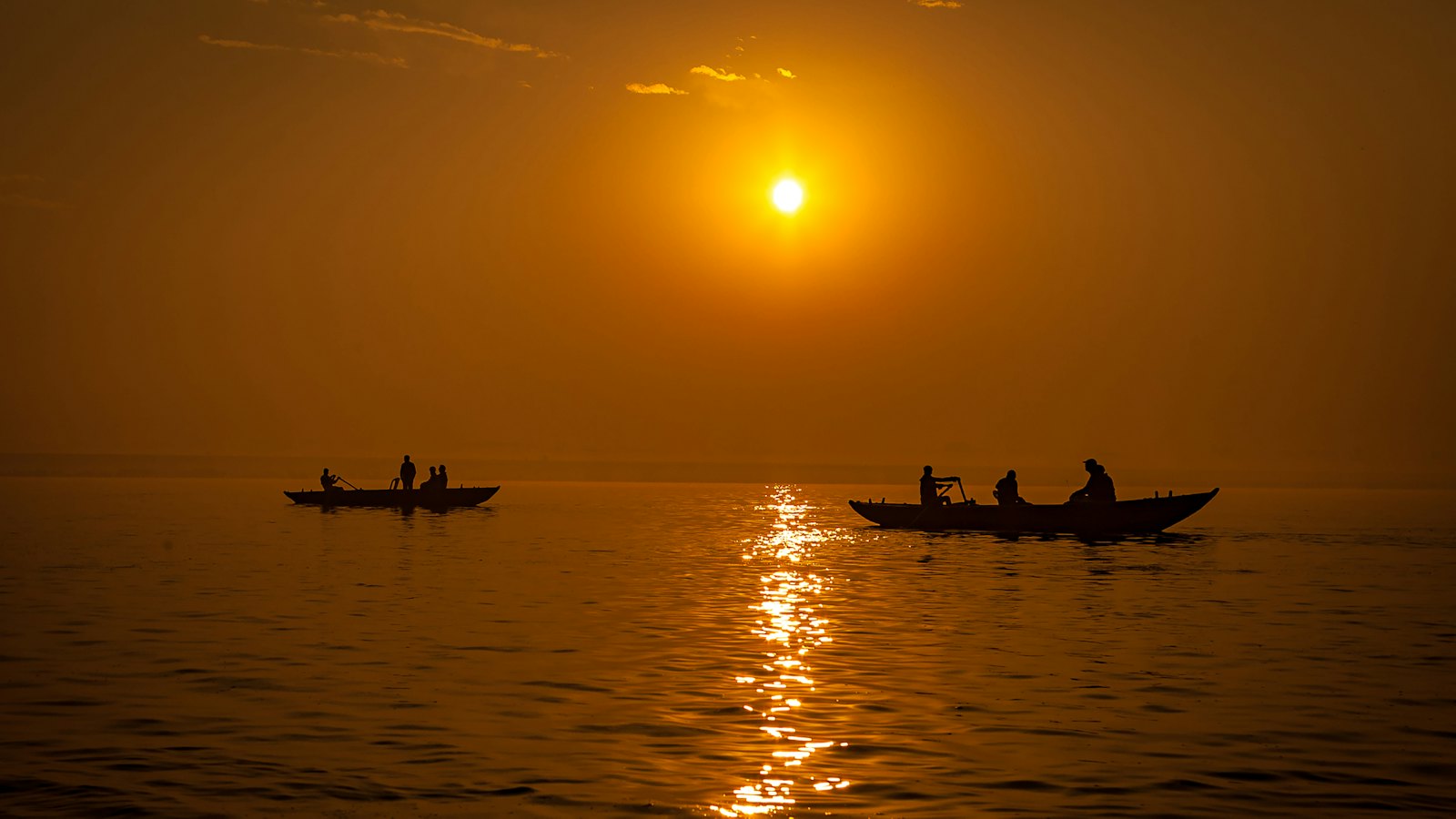
- Join a dawn boat trip: Early water is normally calmer, with pilgrims bathing as sunlight reaches the ghats. Set the complete fare, trip length and finishing point before stepping aboard.
- Attend the Ganga Aarti: The most famous evening ritual takes place at Dashashwamedh Ghat. Reach the steps well beforehand, secure valuables and observe silently from land or an authorised boat.
- Follow the riverfront: Walk portions of the route between Assi and the central ghats. Flooding, ceremonies or repairs can require detours.
- Approach the Kashi Vishwanath corridor carefully: Security surrounding this important Hindu pilgrimage complex is extensive. Rules may vary according to religion and nationality, so carry identification and obey current signs.
- Behave discreetly at Manikarnika Ghat: Cremations are genuine family rites rather than tourist displays. Remain well back and take no photographs of mourners or funerals.
- Wander through the old quarter: Its passages contain flowers, shrines, sweets and Banarasi silk workshops. Store an offline map because mobile reception can be inconsistent.
- Travel to Sarnath: Located roughly 30 to 45 minutes from the centre, Sarnath is traditionally identified as the place of the Buddha's first sermon.
- Consider Ramnagar Fort: The eastern bank site combines historic architecture with broad views across the river. Road congestion can substantially lengthen the outing.
Banarasi Food and Safe Eating
Vegetarian cooking is one of Varanasi's strengths. A traditional morning meal is kachori sabzi, pairing crisp fried bread with seasoned potato or lentil gravy. Tamatar chaat layers cooked tomato with spices and crunchy additions. Chena dahi vada offers a tender regional interpretation of yoghurt-covered dumplings, while roasted wheat balls and mashed vegetables make baati chokha a substantial lunch.
Sweet choices include hot jalebi, thick rabri and lassi presented in an earthen cup. During cooler months, seek out airy malaiyyo. Banarasi paan is a celebrated after-dinner speciality, but newcomers may find a tobacco-free sweet preparation more approachable. Ask what is inside thandai before ordering. Certain vendors add bhang, a cannabis preparation, and it should never be consumed unknowingly, before a journey or in an unfamiliar environment.
The passages behind Godowlia and the central ghats contain the densest collection of vendors. Assi has more relaxed restaurants with seating. Favour busy kitchens where dishes are prepared to order. Skip uncooked garnishes if their washing water is uncertain, and use factory-sealed bottled water or water from a dependable filtration source.
Halal Meals and Places to Pray
Although Varanasi supports an established Muslim population, visible halal certification is uncommon compared with Kuala Lumpur. Muslim-run meat establishments are more readily found in Madanpura, Lallapura and sections of Cantonment. Confirm the source and slaughter status of meat with the restaurant rather than treating every Mughlai or kebab outlet as halal. A statement that pork is absent does not establish that other food meets halal requirements.
Meat-free restaurants provide the most convenient alternative around the ghats. Many kitchens prepare only vegetarian dishes, though travellers with stricter requirements should enquire about alcohol, ingredients and shared cookware. Fish and seafood have only a minor place in local dining. Local listing apps and current map comments may offer leads, but telephone or ask the business directly because ownership and menus change.
Neighbourhood mosques operate around Madanpura and other Muslim districts. The historic Gyanvapi Mosque vicinity is subject to considerable security and is unsuitable for casual sightseeing. Carry identification and comply with local instructions. Public prayer facilities should not be expected at every attraction or at the airport. For extended excursions, seek guidance from a mosque or hotel and bring a small prayer mat.
Transport Within Varanasi
Varanasi has neither a visitor transport pass nor an urban metro. Travellers generally alternate among walking, auto-rickshaws, cycle-rickshaws and app-booked cars. Grab is unavailable in the city.
Walking remains unavoidable on the riverfront because motor vehicles are barred from numerous ghats and old-quarter passages. Choose footwear with reliable traction and stay alert for motorcycles, animals and abrupt stairways. Small luggage is easier to manage. Save the telephone number of your accommodation and place offline maps on your device before entering the lanes.
For brief journeys beyond the pedestrian core, auto-rickshaws are efficient. Many central trips fall between INR100 and INR250, approximately RM5 to RM12. A longer ride may reach INR300 to INR500, around RM14 to RM24. Negotiate the full charge before departure unless an app displays it. Cycle-rickshaw trips commonly range from INR50 to INR200, equivalent to roughly RM2 to RM9.
Uber and Ola are most helpful for the airport, Sarnath, Cantonment and Ramnagar. Drivers may request a meeting point on a broad road. Hiring a car and driver for a sightseeing day generally costs INR2,000 to INR3,500, or about RM94 to RM165. Leave ample time before any train or flight.
Three Days in Varanasi
- Day 1: Settle into accommodation near Assi or the central riverfront, then become familiar with the Ganges on foot. Continue through the old passages towards Godowlia. Claim a viewing place for the Dashashwamedh Ghat evening ceremony, have an early vegetarian meal and return while the busier lanes remain active.
- Day 2: Board a boat around sunrise before eating kachori sabzi and drinking lassi. Explore selected ghats without rushing, giving cremation grounds privacy and keeping cameras lowered there. Enter the Kashi Vishwanath corridor only where current access rules allow. Later, examine Banarasi textiles at a reputable shop and finish with a calmer evening near Assi.
- Day 3: Depart after breakfast for Sarnath to see its Buddhist and archaeological landmarks. Come back for lunch, then choose a Cantonment visit, a silk workshop or Ramnagar Fort according to traffic and personal interests.
A fourth night benefits anyone seeking slower starts, dedicated photography sessions or a longer Sarnath visit. Do not place a flight immediately after an excursion outside the centre. Unpredictable road queues can erase a comfortable timetable, particularly near railway approaches and major religious events.
Money, Tipping and Street Awareness
India's currency is the rupee, shown as INR or ₹. Using INR100 to RM4.70 provides a convenient estimate. Keep low-denomination notes available for snacks, rickshaws, boat trips and lockers near religious sites. Established stores and larger hotels normally accept cards, but overseas cards sometimes fail at small businesses. DuitNow QR from Malaysia is not broadly accepted, and visitors should not depend on obtaining local UPI access.
Eligible travellers can request a tourist SIM from an authorised airport or city seller using a passport, visa and accommodation information. Activation is not always immediate. For compatible phones, arranging an eSIM before departure may be simpler. Store reservation screenshots and maps for offline use.
Electrical supply is 230V, and sockets may take Type C, D or M plugs. Pack a universal adapter. Gratuities are optional and restrained. If the bill contains no service fee, either round the amount upward or add roughly five to ten percent when service has been attentive.
Frequent nuisances include exaggerated rickshaw quotes, unlicensed guides, boatmen revising verbal deals and textile shops paying commissions. Establish every price beforehand, refuse unwanted assistance clearly and favour official desks. Protect valuables in packed areas, and stay away from quiet river sections after dark.
Before you go
- Best time to go
- October through March offers Varanasi's most comfortable conditions. Cooler daytime weather makes extended walks beside the Ganges easier. November, Diwali and Dev Deepawali produce memorable river celebrations, along with packed ghats, scarce rooms and elevated prices. Before sunrise, December and January can feel cold, while winter fog across northern India may delay trains and aircraft. April through June brings severe heat that can exceed 40°C, making Malaysia's mid-year school break poorly suited to lengthy outdoor exploration. From July until September, monsoon rain, high humidity and a rising river may submerge lower ghat steps. Reserve accommodation well ahead for major Hindu festivals and Malaysia's year-end school holidays.
- Visa for Malaysians
- Malaysian passport holders require an Indian visa as of September 2026. The 30-day e-Tourist Visa carries no government visa fee for Malaysians until 31 December 2026. It allows two entries, begins its 30-day validity upon first arrival and is not extendable. Submit applications only at indianvisaonline.gov.in, no earlier than 120 days and no later than four days before arrival. Avoid intermediaries claiming guaranteed rapid approval. The passport must remain valid for six months from the application date and contain two blank pages. Bring a printed e-visa authorisation plus evidence of onward or return travel. Within 72 hours before landing, the free e-Arrival Card can be filed through the official visa portal, the Bureau of Immigration site or the Indian Visa Su-Swagatam app. Recheck official requirements before departure.
- Honest budget guide
- Plan on RM160 to RM350 per traveller for each day in Varanasi, before international airfare. Basic accommodation commonly costs RM50 to RM120 nightly, compared with RM150 to RM320 for a comfortable mid-range room. Set aside RM35 to RM80 per day for meals and RM20 to RM60 for city transport, adding more for private vehicles or several boat outings. The fare review found a lowest one-way Kuala Lumpur price of RM1,987 and a median of RM2,184, but neither amount is fixed. Four days on the ground typically require approximately RM700 to RM1,700 per person. If the homebound ticket resembles the scanned outbound pricing, the complete trip may total around RM4,800 to RM6,000. Luxury hotels, large purchases and festival surcharges are not included.
Frequently asked questions
Do Malaysians need a visa for Varanasi?
Yes. Malaysian citizens require an Indian visa as of September 2026. Until 31 December 2026, the 30-day e-Tourist Visa has no government visa fee for Malaysian passport holders. It permits two entries and cannot be extended. File through indianvisaonline.gov.in at least four days before arrival, then verify the current conditions before departure.
Is there a direct flight from Kuala Lumpur to Varanasi?
No nonstop KLIA to Varanasi service is listed as of September 2026. Travellers must connect at least once, frequently in New Delhi, while some lower fares involve two stops. Searches included Malaysia Airlines with IndiGo and SriLankan with Air India. Examine each itinerary for terminal, connection and checked-baggage arrangements.
How many days are enough for Varanasi?
Three days can accommodate a dawn boat outing, the evening Ganga Aarti, several important ghats, old-quarter walks and a half-day in Sarnath. Choose four days for gentler mornings, Ramnagar or focused photography. Because much of the historic centre is pedestrian-only and road congestion is common, compressed schedules quickly become exhausting.
Is Varanasi Muslim-friendly?
Muslim communities and mosques are present, especially around Madanpura and Lallapura, although businesses seldom display formal halal certification. Ask Muslim-owned restaurants directly about their meat suppliers and preparation. Abundant vegetarian cooking near the river provides a convenient alternative. A restaurant advertising no pork has not necessarily confirmed that its other dishes are halal.
What is the best month to visit Varanasi?
November combines cooler temperatures with major riverside ceremonies, although festival periods produce dense crowds and expensive rooms. February is also attractive because conditions are pleasant and year-end holiday traffic has eased. December and January are colder, particularly around dawn, and regional fog during those months can interfere with railway and flight schedules.
How much money do I need for four days in Varanasi?
For accommodation, meals and local activities, estimate RM700 to RM1,700 per person over four days. Adding flights from Kuala Lumpur gives an indicative total near RM4,800 to RM6,000 when the return sector is comparable with the latest outbound fare search. Purchases, premium hotels, festival price increases and luxury experiences require additional funds.
Can I use Grab in Varanasi?
Grab has no service in Varanasi. Uber and Ola provide the closest app-based alternatives, particularly on airport routes and journeys to Sarnath or other locations reached by wider roads. For nearby travel, use an auto-rickshaw or cycle-rickshaw. Walking is still necessary throughout the narrow old city and along much of the river.
Is Varanasi safe for Malaysian travellers?
Most Malaysians can visit comfortably with ordinary urban precautions, although traffic, crowds and insistent sales approaches may be stressful. Keep wallets and phones protected, settle rickshaw and boat charges before leaving, and book airport vehicles through recognised channels. Avoid deserted ghats late at night. Solo women may prefer transport arranged by a trusted property after dark.
Jom pergi
Ready to go Varanasi? Compare available flights and hotels for your dates. Check baggage, cancellation terms and the final total on the booking provider before paying.






